 Ascension Pulse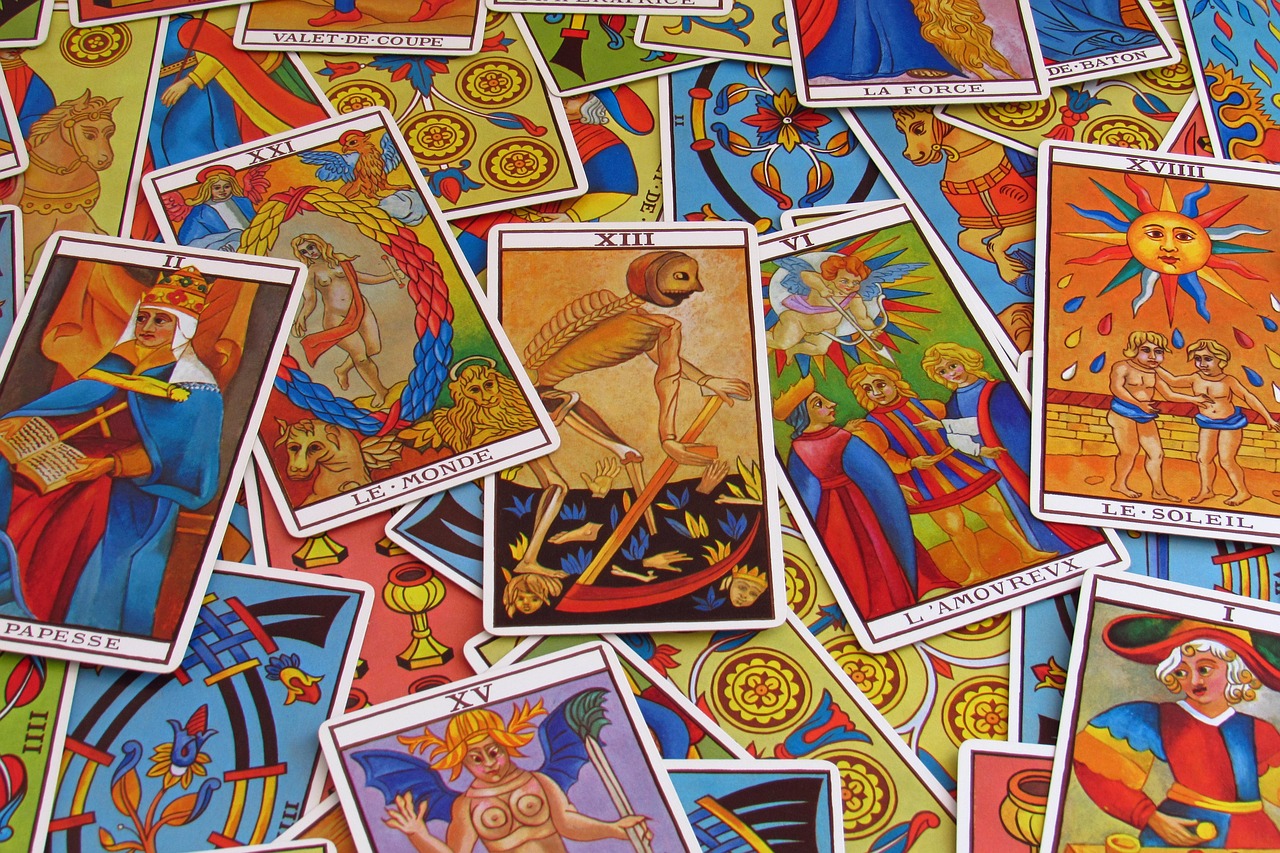
Tarot cards have captivated seekers, healers, and spiritual explorers for centuries. Far beyond fortune-telling parlor tricks, these ancient tools serve as powerful instruments for self-reflection, spiritual guidance, and personal transformation. Whether you’re a curious beginner or a dedicated practitioner, understanding the spiritual essence of tarot can deepen your connection to the divine and illuminate your life’s journey.
The Sacred History of Tarot
The tarot’s origins trace back to 15th-century Italy, where ornate cards were created as entertainment for wealthy families. Yet what began as a simple game evolved into a profound spiritual practice recognized across cultures and continents. By the 18th century, mystical practitioners discovered that tarot cards possessed remarkable archetypal symbolism—universal patterns that speak to the human soul regardless of background or belief system.
This evolution wasn’t accidental. Many spiritual traditions suggest that tarot emerged when humanity needed it most—a visual language through which the divine could communicate with seekers navigating life’s complexities. The cards became a bridge between the material and spiritual worlds, offering wisdom that transcends time and circumstance.
Understanding the Tarot’s Spiritual Framework
A traditional tarot deck contains 78 cards divided into two primary sections: the Major Arcana and the Minor Arcana. The Major Arcana consists of 22 cards representing significant life lessons and spiritual milestones. These cards—from The Fool’s Journey through The World—depict archetypal experiences that every soul encounters during its earthly existence. They speak to transformation, enlightenment, and the eternal cycles of growth and renewal.
The Minor Arcana contains 56 cards organized into four suits: Cups, Wands, Swords, and Pentacles. Each suit corresponds to different life dimensions. Cups represent emotions and relationships, Wands embody creativity and passion, Swords symbolize communication and intellect, and Pentacles relate to material abundance and physical well-being. Together, these cards create a comprehensive map of human experience.
How Tarot Facilitates Spiritual Growth
Tarot’s true power lies in its ability to mirror your inner world. When you draw cards, you’re not merely receiving predictions—you’re accessing a mirror for self-discovery. The images, symbols, and narratives within each card activate your intuition, bypassing the logical mind to access deeper wisdom residing in your soul.
This practice aligns beautifully with established spiritual principles. Many wisdom traditions teach that all answers already exist within us; we simply need tools to access them. Tarot serves as precisely such a tool. By presenting archetypal scenarios and symbolic imagery, tarot cards invite you to contemplate your situation from fresh perspectives, encouraging personal insight and spiritual awareness.
The Role of Intuition in Tarot Practice
Contrary to popular belief, tarot reading isn’t about memorizing rigid card meanings. Instead, it’s about developing and trusting your intuition—that divine inner compass that guides you toward truth. When you engage with tarot spiritually, you cultivate a conversation with your higher self and the universal energy that flows through all existence.
Experienced readers often report that card interpretations shift based on the querent’s energy, the surrounding cards, and the specific question asked. This flexibility reflects tarot’s true nature: it’s a language of symbols designed to stimulate your innate spiritual knowing. The more you practice, the more you’ll discover that your intuitive impressions often carry more wisdom than any guidebook definition.
Common Misconceptions About Tarot
Many spiritual seekers hesitate to explore tarot due to misconceptions perpetuated by popular culture. The most prevalent myth suggests that tarot predicts an unchangeable future or that certain cards carry purely negative meanings. In reality, tarot reflects possibilities rather than certainties, and even challenging cards like the Tower or Ten of Swords often signify necessary transformations leading toward greater good.
Another common misconception is that tarot requires special psychic abilities. This simply isn’t true. Anyone can learn to read tarot cards meaningfully. You don’t need to be born with extraordinary powers; you need only openness, practice, and willingness to trust the guidance that emerges.
Integrating Tarot Into Your Spiritual Practice
Beginning a tarot practice requires minimal investment. You’ll need a deck that resonates with your aesthetic and spiritual sensibility—hundreds exist, from traditional Rider-Waite designs to contemporary artistic interpretations. Choose one that speaks to your soul.
Start with simple three-card spreads asking questions like: “What do I need to know about this situation?” or “What guidance does the universe offer me today?” Spend time journaling your interpretations, noting how readings relate to your life circumstances. Over time, patterns emerge, and your confidence grows.
Many practitioners incorporate tarot into meditation practices, placing a single card before them while sitting in quiet contemplation. This approach deepens your connection to each card’s spiritual essence. Others use tarot for daily affirmations, drawing a card each morning to set intentions for the day ahead.
Tarot as a Tool for Healing and Transformation
Beyond divination, tarot serves profound healing purposes. Therapists and counselors increasingly recognize tarot’s value in facilitating emotional breakthroughs and perspective shifts. The cards create safe space for exploring difficult emotions, past traumas, and limiting beliefs that may hinder spiritual growth.
When you approach tarot with sincere intention and open heart, it becomes a catalyst for transformation. Cards highlighting your shadow self invite integration and healing. Cards depicting joy and abundance reinforce your worthiness and divine connection. This dynamic process supports genuine spiritual evolution.
A Practical Daily Tarot Meditation
To begin deepening your tarot practice, try this simple meditation:
Select a single card that represents an area of your life requiring guidance. Sit comfortably in a quiet space, holding the card or placing it before you. Take three deep breaths, grounding yourself in the present moment. Gaze softly at the card’s imagery, allowing your eyes to wander across its symbols without forcing interpretation. Notice colors, figures, and details that capture your attention.
Ask internally: “What wisdom do you offer me today?” Then simply listen. Don’t strain to receive answers; allow impressions, feelings, and insights to surface naturally. Spend ten to fifteen minutes in this receptive state. When complete, journal any messages received, however subtle or unclear they initially seemed.
Tarot cards are invitations to reconnect with your innate spiritual wisdom, trust divine guidance, and embrace your soul’s journey with greater awareness and grace.
Enjoyed this article?
Support the work that makes it possible.
Amount applies to both PayPal and Stripe.