
 Ascension Pulse
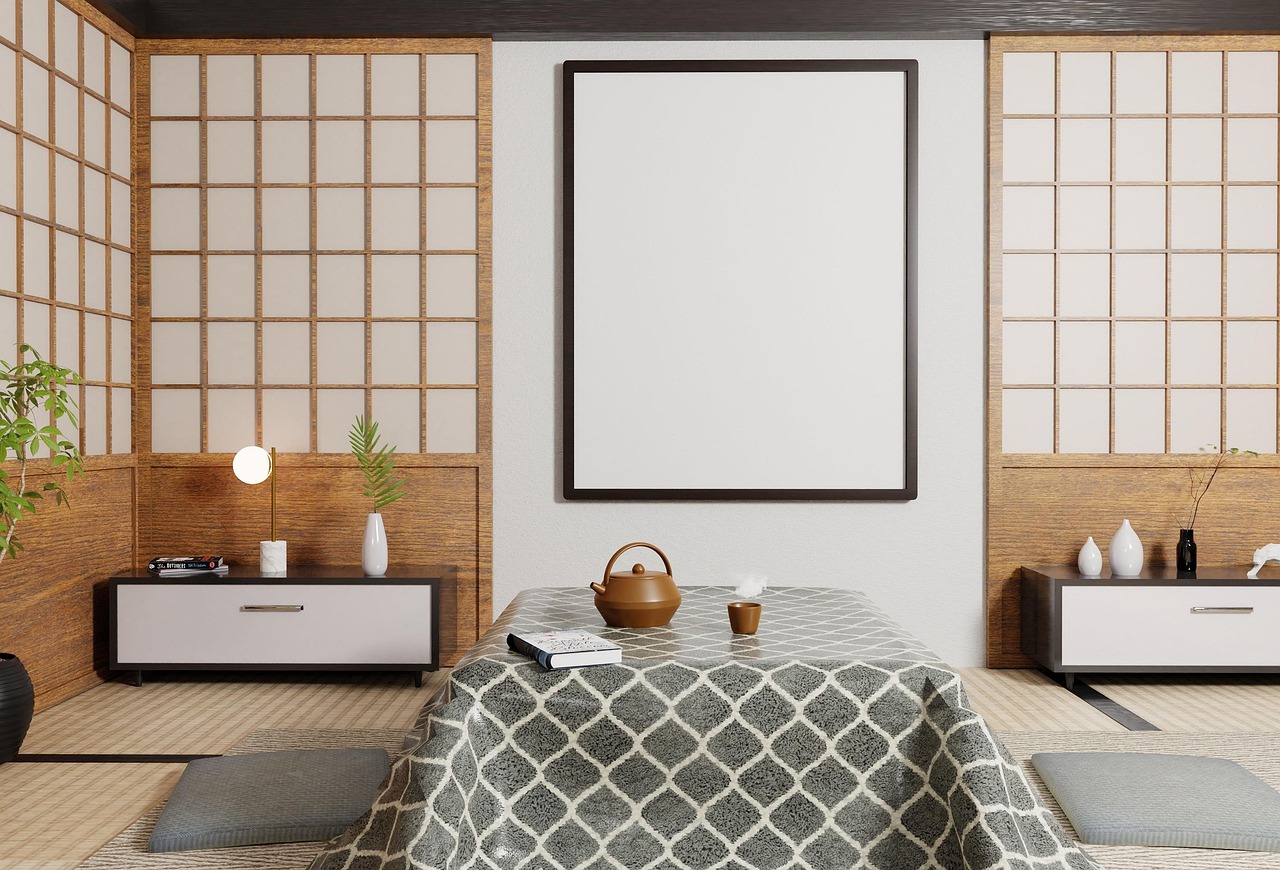
In a world that constantly demands our attention, pulls us toward tomorrow’s worries, and fills our minds with endless noise, there exists a profound path to peace that requires nothing but your willingness to be here. This is the essence of Zen living—not a religion or philosophy to master, but a gentle invitation to return to what has always been present: this very moment, exactly as it is.
What Zen Living Really Means
Zen living is often misunderstood as a distant, austere practice reserved for monks in mountain temples. In reality, it is the art of finding profound peace and purpose through radical simplicity and complete presence. It’s about stripping away the unnecessary—both materially and mentally—to reveal the extraordinary beauty already woven into ordinary moments.
The heart of Zen practice lies in *suchness*—experiencing life as it truly is, without the filter of judgment, expectation, or resistance. When you wash dishes, you wash dishes completely. When you walk, you walk with full awareness. This isn’t about achieving a special state; it’s about recognizing that this moment, right now, is already complete and worthy of your full presence.
The Three Pillars of Zen Living
Simplicity as Spiritual Practice
Zen teaches us that we accumulate far more than we need—not just possessions, but thoughts, worries, and unnecessary complexity. By consciously simplifying our environment and our mental landscape, we create space for what truly matters. This doesn’t mean deprivation; it means intentionality. Every object you keep, every commitment you make, and every thought you entertain should serve a purpose or bring genuine joy.
When you clear the clutter from your physical space, something remarkable happens: your mind follows. The mental chatter quiets. The constant background anxiety about “too much” begins to dissolve. You’re left with clarity, spaciousness, and an unexpected sense of freedom.
Presence as Liberation
Most of our suffering exists only in our minds—in regrets about the past or anxiety about the future. Zen living invites us to anchor ourselves in the only moment where life actually happens: now. This isn’t about denying planning or learning from history. Rather, it’s about not allowing your consciousness to be colonized by what isn’t happening.
When you truly inhabit the present moment, stress loses its power. A difficult task becomes manageable when you’re fully engaged with it rather than simultaneously worrying about its outcome. Relationships deepen when you listen without planning your response. Food tastes richer when you eat without distraction.
Acceptance of What Is
Zen teaches that suffering arises from resistance—from our constant struggle against reality as it actually is. This doesn’t mean passive resignation. Rather, it means meeting life with an open heart, responding wisely to what appears, and releasing the exhausting battle against circumstances we cannot control.
When you stop fighting reality, you free up enormous energy. That energy can then be directed toward meaningful action, creative expression, and genuine connection. Acceptance paradoxically becomes the foundation for positive change.
Practical Pathways to Zen Living
The Practice of Single-Tasking
In our age of multitasking, Zen living calls us to revolutionary simplicity: doing one thing at a time with complete attention. Choose one task. Bring your full awareness to it. Notice the sensations, sounds, and subtle details you would normally miss. When your mind wanders—and it will—gently return it to the present activity without judgment.
This practice transforms mundane activities into meditation. Your commute becomes a sensory experience. Your morning coffee becomes a ritual of gratitude. Work becomes an opportunity to practice presence rather than merely checking boxes.
Mindful Movement
Zen living isn’t confined to sitting meditation. Walking meditation, gentle yoga, or simply moving through your day with awareness can become profound spiritual practice. As you move, feel your feet on the earth. Notice your breath. Observe the interplay of effort and ease in your body.
This embodied presence anchors you in reality. It quiets the restless mind that constantly projects into future scenarios. It reminds you that you are not merely a thinking entity, but a living being fully immersed in physical reality.
The Art of Letting Go
Zen teaches that attachment is the root of suffering. This includes attachment to outcomes, to being right, to comfort, and even to our sense of self. Regular practice of letting go—through conscious release, forgiveness work, or simply observing thoughts without clinging to them—gradually liberates you from the chains of constant grasping.
You might practice this by consciously releasing one worry each morning, by forgiving someone who has hurt you, or by spending time observing your thoughts like clouds passing through the sky—present but not requiring your participation.
Silence as Nourishment
In our sound-saturated world, silence has become rare and precious. Zen living honors silence not as absence, but as presence. Regular periods of silence—whether five minutes or several hours—allow your nervous system to settle and your deeper wisdom to emerge.
Create small pockets of silence throughout your day: a quiet morning before checking your phone, a few minutes of silence before sleep, or a silent walk in nature. These moments of quietude are not luxuries; they are essential nourishment for your soul.
The Unexpected Benefits of Zen Living
As you embrace Zen principles, you may notice surprising gifts emerging. Anxiety often diminishes naturally as you stop mentally rehearsing feared futures. Relationships improve as you offer others your genuine presence. Creativity flows more freely when your mind isn’t cluttered with unnecessary thoughts. Your sense of purpose clarifies as you distinguish between what truly matters and what merely demands attention.
Perhaps most importantly, you discover that peace was never something to achieve in the future. It was always available, waiting beneath the noise, present in this very breath, this very moment, this very life.
Your Daily Practice: The Three-Breath Anchor
Here is a simple practice to begin cultivating Zen presence today:
Set a timer for just three minutes. Find a comfortable position, whether sitting or standing. Bring your full awareness to your breath. With the first breath, notice the inhale and exhale completely. With the second breath, observe any sensations in your body—warmth, coolness, tension, ease. With the third breath, simply rest in awareness itself.
When thoughts arise—and they will—acknowledge them gently and return to your breath. Do this practice once daily, ideally at the same time. Over weeks and months, this simple anchor will gradually train your mind to return naturally to presence throughout your day.
The beauty of Zen living is that it asks nothing of you except your willingness to be here, now, exactly as you are. In that willingness, everything changes.
Enjoyed this article?
Support the work that makes it possible.
Amount applies to both PayPal and Stripe.