 Ascension Pulse
Wicca represents far more than candlelit rituals and mysterious spellwork. At its heart, this contemporary spiritual practice offers a profound reconnection with nature, personal empowerment, and the sacred divine that flows through all living things. For those seeking a spirituality grounded in reverence for the Earth and aligned with natural cycles, Wicca provides a welcoming path that honors both the ancient and the modern.
Understanding Wicca: More Than Meets the Eye
Wicca emerged in the mid-twentieth century as a modern pagan religious movement, though its roots draw from ancient fertility traditions, herbalism, and nature-based spirituality. Unlike religions with fixed dogma, Wicca celebrates diversity and personal spiritual exploration. There is no central authority dictating belief; instead, practitioners develop their own relationship with the sacred through direct experience and intuitive knowing.
What distinguishes Wicca is its core principle: reverence for the divine in all forms—often understood as the Goddess and the God, representing feminine and masculine energies present in nature and within ourselves. This duality reflects the complementary forces that animate existence: growth and rest, light and shadow, action and reflection.
The Sacred Elements: Water, Fire, Air, and Earth
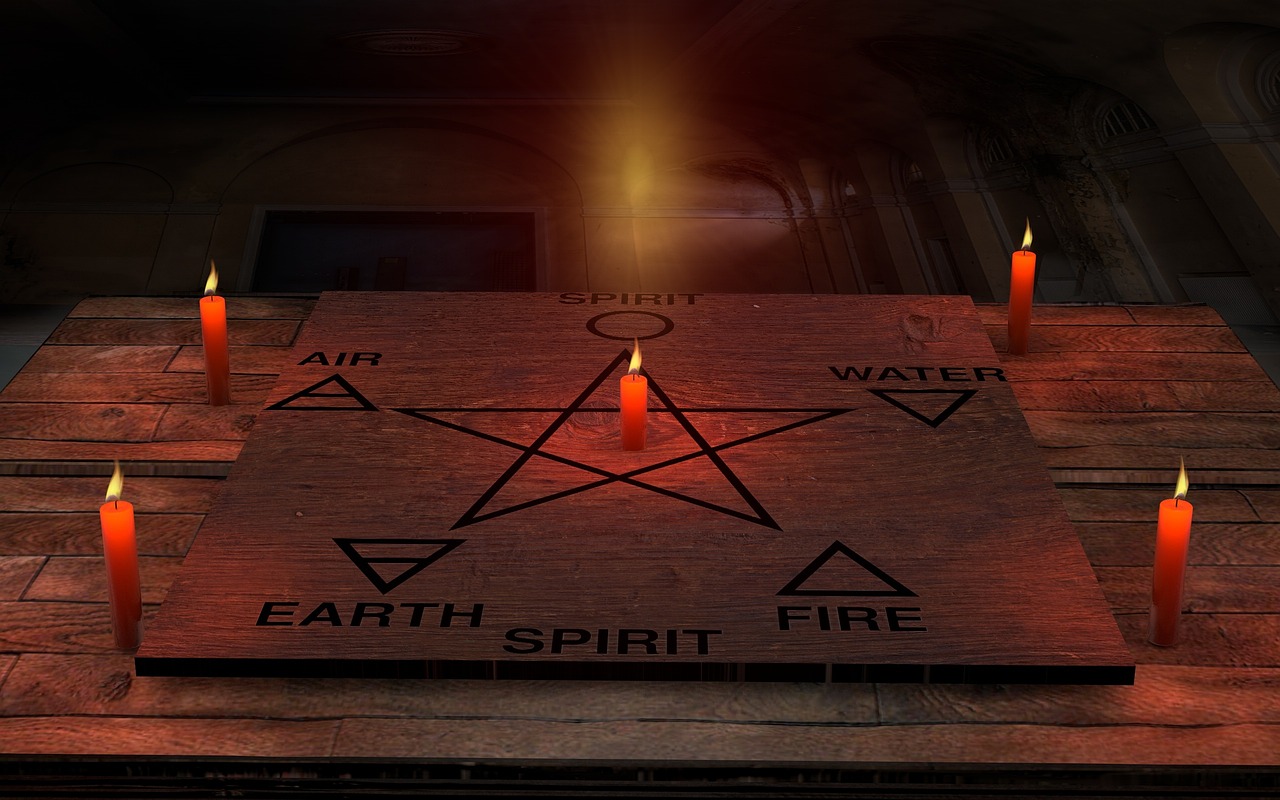
Central to Wiccan practice is honoring the four classical elements, each carrying unique spiritual qualities. Water represents emotions, intuition, and the subconscious realms. Fire embodies transformation, passion, and creative will. Air governs intellect, communication, and the realm of ideas. Earth grounds us in manifestation, abundance, and physical presence.
By working consciously with these elements through meditation, ritual, and daily awareness, practitioners deepen their connection to the natural world and to themselves. A Wiccan might call upon water’s fluidity when facing rigid circumstances, or invoke fire’s transformative power when seeking to release old patterns.
The Wheel of the Year: Living in Harmony with Nature’s Cycles
One of Wicca’s most beautiful gifts is the Wheel of the Year—eight seasonal festivals that mark the turning of the seasons and the Sun’s journey through the sky. These sabbats include Samhain, Beltane, Imbolc, and Lughnasadh, among others, each carrying unique spiritual significance and opportunity for celebration and reflection.
By honoring these cycles, Wiccans align themselves with nature’s rhythm rather than resisting it. Spring invites new beginnings and planting intentions. Summer calls for expansion and manifestation. Autumn whispers of harvest and gratitude. Winter offers rest, introspection, and the promise of renewal. This cyclical perspective liberates practitioners from the linear, productivity-obsessed mindset that often leaves modern people depleted.
The Practice of Ritual: Sacred Action with Intention
Wiccan rituals are not performances for an external audience but sacred acts of intentional creation. Whether simple or elaborate, rituals serve to focus energy, mark transitions, and align personal will with universal forces. A ritual might involve casting a circle—creating a sacred container—calling upon the elements and divine forces, stating clear intentions, and closing with gratitude.
The beauty of Wiccan practice lies in its flexibility. Some practitioners work solitary, creating intimate ceremonies in their homes or gardens. Others gather in covens—spiritual circles of trusted friends—to pool their energy and support one another’s spiritual journeys. Both paths are equally valid and honored.
Spellwork: Conscious Co-Creation with the Universe
Spellwork often evokes images of dramatic magic, yet Wiccan spellcraft is fundamentally about focused intention and conscious participation in creation. A spell might involve lighting a candle while visualizing a desired outcome, crafting herbal sachets aligned with specific purposes, or speaking affirmations infused with personal power.
The ethical foundation of Wiccan practice is the Wiccan Rede: “An it harm none, do what ye will.” This principle emphasizes personal responsibility and the understanding that energy sent out returns threefold. Practitioners are encouraged to work for the highest good and to consider the ripple effects of their intentions.
Deity and the Divine: Personal Relationship with the Sacred
Wicca welcomes diverse understandings of deity. Some practitioners work with the Goddess and God as archetypal energies. Others connect with specific deities from various cultural traditions—Hecate, Brigid, Herne, or Isis. Still others relate to the divine as an impersonal life force flowing through all existence.
This flexibility allows each practitioner to develop an authentic spiritual relationship rather than adopting beliefs that don’t resonate. The divine is encountered through personal experience, meditation, and intuitive knowing rather than prescribed doctrine.
The Craft as a Path of Empowerment
One of Wicca’s most transformative aspects is its emphasis on personal power and responsibility. Rather than seeking salvation through an external savior, Wiccans understand themselves as co-creators with the divine. This perspective cultivates self-trust, agency, and the courage to shape one’s life consciously.
For many practitioners, especially those who have felt disempowered by traditional religious structures, Wicca offers liberation. Women particularly find in Wicca a spirituality that honors the feminine divine and celebrates women’s wisdom, intuition, and creative power.
Wicca in the Modern World
Contemporary Wicca beautifully bridges ancient wisdom and modern life. Practitioners might honor the full moon while managing careers and families. They might practice grounding techniques before important meetings or use crystal energy to support their well-being alongside conventional medicine. This integration demonstrates that spirituality need not be separate from daily life but can infuse every moment with intention and presence.
A Practical Meditation to Begin Your Journey
If Wicca calls to you, consider this simple grounding practice:
Find a quiet space, preferably outdoors or near a window. Sit comfortably and close your eyes. Breathe deeply, imagining roots extending from your body into the Earth below. Feel the stability and support of the ground beneath you. Then visualize energy rising from the Earth, nourishing your body and spirit. As you breathe, silently affirm: “I am grounded. I am connected. I am whole.”
Open your eyes slowly, carrying this sense of connection into your day. This simple practice embodies Wicca’s essence: honoring the sacred connection between self, nature, and the divine that sustains all life.
Enjoyed this article?
Support the work that makes it possible.
Amount applies to both PayPal and Stripe.