 Ascension Pulse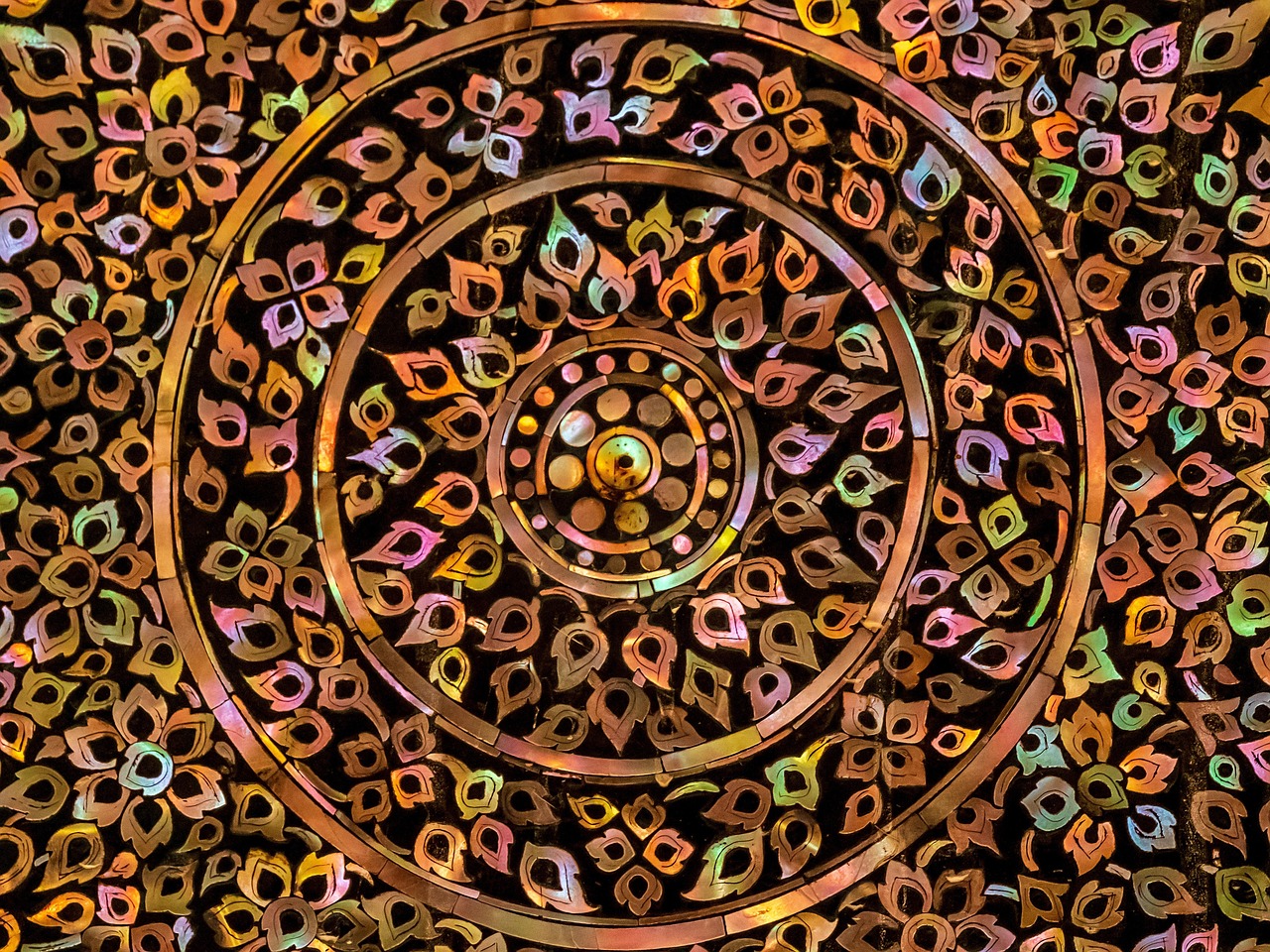
The mandala stands as one of humanity’s most profound spiritual symbols, transcending cultural boundaries and speaking directly to the soul’s deepest yearnings for wholeness and connection. From the intricate sand paintings of Tibetan monks to the elaborate temple architecture of Hindu traditions, from the crop circles of folklore to the sacred geometry found in nature itself, mandalas represent far more than beautiful artistic expressions—they are windows into the divine order of creation.
Understanding the Mandala: More Than Visual Art
The Sanskrit word “mandala” literally translates to “circle” or “complete whole,” yet this simple definition barely scratches the surface of its profound significance. A mandala is a spiritual and ritual symbol representing the universe in Hindu and Buddhist traditions, but its essence extends far beyond any single religious framework. At its core, the mandala embodies the concept of wholeness, unity, and the eternal cycle of creation and dissolution.
When we gaze upon a mandala, we’re witnessing a visual representation of cosmic order—a blueprint of how the universe organizes itself around a central point of divine consciousness. The circular form itself holds sacred meaning: the circle has no beginning and no end, symbolizing eternity, infinity, and the eternal nature of the soul. The center represents the divine spark within all beings, while the layers radiating outward depict the journey from the inner spiritual realm to the outer material world.
The Spiritual Significance of Sacred Geometry
Mandalas operate through the language of sacred geometry, a universal system of proportions and patterns that appears throughout nature and the cosmos. The geometric precision found in mandalas—whether featuring squares, triangles, flowers, or elaborate geometric patterns—reflects the mathematical harmony underlying all existence.
This isn’t coincidence; it’s divine design. When we observe a mandala’s geometric patterns, we’re witnessing the same ratios and proportions found in DNA spirals, flower petals, planetary orbits, and spiral galaxies. By contemplating these patterns, we align our consciousness with the fundamental harmonic frequencies of creation itself. The geometry serves as a bridge between the seen and unseen worlds, between matter and spirit.
Mandalas Across Spiritual Traditions
The mandala’s universal appeal reveals a profound truth: all spiritual traditions recognize the reality of cosmic order and divine unity. In Tibetan Buddhism, mandalas serve as meditation tools and representations of enlightened consciousness. Monks spend months creating intricate sand mandalas, only to sweep them away in a powerful ritual symbolizing impermanence and non-attachment. This practice teaches that all forms, no matter how beautiful or complex, are temporary expressions of eternal truth.
In Hinduism, mandalas appear as yantras—geometric diagrams used in meditation and worship to invoke specific divine energies. Each yantra corresponds to different deities and spiritual principles, serving as focal points for devotion and transformation. The Sri Yantra, one of the most sacred yantras, contains nine interlocking triangles representing the masculine and feminine principles of existence in perfect balance.
Even in Western spiritual traditions, mandala-like symbolism appears in the rose windows of medieval cathedrals, the sacred geometry of Islamic tilework, and the medicine wheels of indigenous cultures. This universal presence suggests that mandalas tap into something fundamental in human consciousness—a deep recognition of order within chaos and unity within diversity.
The Transformative Power of Mandala Meditation
Meditating with mandalas activates profound healing and spiritual transformation. When we focus our gaze on a mandala’s center and allow our awareness to move through its layers, we’re training the mind to recognize the interconnected nature of all existence. This practice naturally calms the nervous system, reduces mental chatter, and creates a gateway to deeper states of consciousness.
The mandala acts as a mirror for the soul. What we perceive in its patterns often reflects our current spiritual state and the areas within us seeking integration and healing. A mandala might draw our attention to imbalances we hadn’t consciously recognized, inviting us to restore equilibrium and wholeness within our being.
Psychologically, mandala meditation stimulates both brain hemispheres simultaneously. The left brain engages with the geometric patterns and logical structure, while the right brain responds to color, symbolism, and intuitive meaning. This bilateral activation creates a state of coherence and integration, allowing us to access higher wisdom and insight.
Creating Your Personal Mandala Practice
You don’t need to be an artist to benefit from mandalas. Creating your own mandala—whether through drawing, painting, or digital design—offers a deeply meditative and self-revealing practice. As you draw from the center outward, you’re literally manifesting your inner world into physical form. The act of creation becomes a spiritual practice, each line representing intention and each color expressing emotion and energy.
Many spiritual practitioners find that coloring existing mandalas provides equal benefit. This accessible practice quiets the analytical mind and opens channels to intuition and creative flow. As you select colors and fill in patterns, you’re engaging in a form of moving meditation that naturally induces relaxation and spiritual alignment.
The Mandala as Portal to Divine Truth
Ultimately, the sacred mandala serves as a portal to direct experience of unity consciousness. It reminds us that within the apparent complexity and separation of the world lies perfect order and divine harmony. Every mandala whispers the same eternal truth: you are not separate from the universe; you are an expression of it. The same sacred geometry that organizes galaxies also organizes your cells. The same divine consciousness that creates universes dwells within your heart.
A Practical Meditation Practice
To experience the transformative power of mandalas, find a beautiful mandala image that resonates with your spirit. Sit comfortably, take several deep breaths, and allow your gaze to settle at the mandala’s center. Soften your eyes slightly and let your awareness gently expand outward through each layer, then return to the center. Continue for 10-20 minutes, allowing any insights, colors, or sensations to arise without judgment. Notice how you feel afterward—often experiencing profound peace, clarity, and reconnection to your sacred nature.
Enjoyed this article?
Support the work that makes it possible.
Amount applies to both PayPal and Stripe.