 Ascension Pulse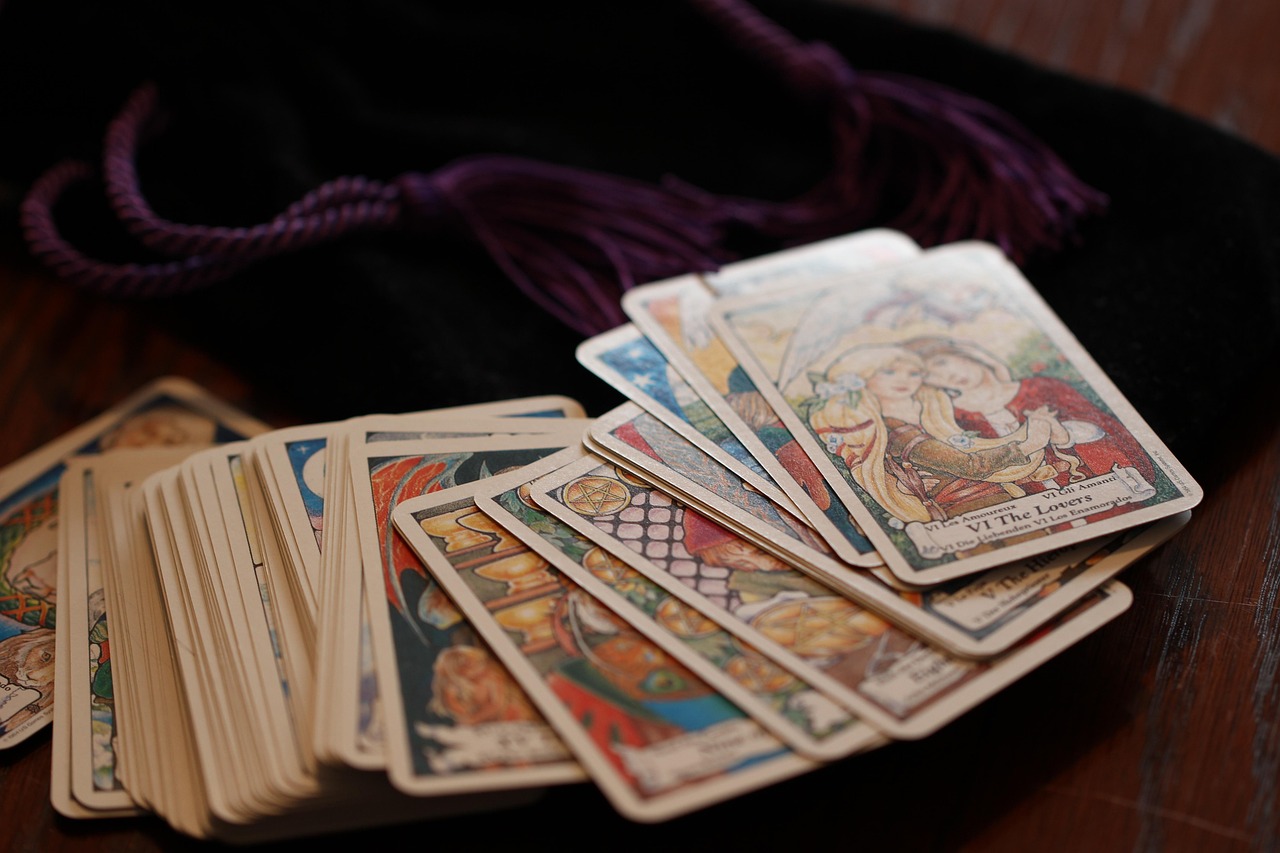
Tarot cards have captivated seekers for centuries, serving as mirrors to the soul and windows into the mysteries of life. Far more than mere fortune-telling devices, these sacred cards represent a profound system of spiritual guidance that continues to illuminate paths for millions of people worldwide. Whether you’re beginning your journey with tarot or deepening an existing practice, understanding their true purpose can transform how you approach life’s questions and challenges.
The Sacred Origins of Tarot
The history of tarot is as rich and layered as the symbolism within the cards themselves. Emerging in 15th-century Italy, tarot began as a card game before spiritual seekers recognized the profound archetypal wisdom encoded within its imagery. Over centuries, mystical traditions—including Kabbalah, astrology, and numerology—became woven into tarot’s fabric, creating a multidimensional system for personal insight and spiritual growth.
What makes tarot truly powerful is that it bridges the visible and invisible worlds. Each card carries symbolic meaning that speaks to universal human experiences: love, loss, transformation, courage, and wisdom. This universal language transcends culture and time, making tarot a timeless tool for those seeking deeper understanding.
Understanding the Structure: Major and Minor Arcana
The tarot deck consists of 78 cards divided into two primary sections, each serving a distinct purpose in readings.
The Major Arcana comprises 22 cards representing significant life themes and spiritual lessons. These cards—from The Fool to The World—depict archetypal journeys and transformations. When Major Arcana cards appear in readings, they often indicate powerful forces at work, important lessons unfolding, or pivotal moments requiring your attention.
The Minor Arcana contains 56 cards organized into four suits: Cups, Pentacles, Swords, and Wands. Each suit corresponds to different life areas—emotional matters, material concerns, mental challenges, and creative endeavors respectively. These cards address everyday situations and the practical circumstances surrounding your questions.
Together, these elements create a comprehensive symbolic language capable of addressing virtually any aspect of human experience.
How Tarot Facilitates Spiritual Growth
Many spiritual practitioners misunderstand tarot’s true function. Rather than predicting a fixed future, tarot serves as a catalyst for self-reflection and conscious awareness. When you engage with tarot authentically, you’re not receiving commands from external forces—you’re accessing your own inner wisdom through symbolic prompts.
Think of tarot as a conversation with your higher self. The cards you draw aren’t random; they’re synchronized messages appearing at precisely the moment you need them. This concept, known as synchronicity, suggests that the universe communicates through meaningful coincidence. Your subconscious mind, which processes infinitely more information than your conscious awareness, guides your hand to the cards most relevant to your situation.
This is why tarot readings can feel eerily accurate. You’re not being told your future; you’re being shown reflections of your current path, potential obstacles, hidden resources, and opportunities for growth. The cards illuminate what you already sense but haven’t fully acknowledged.
Developing Your Personal Practice
Beginning a tarot practice requires nothing more than a deck that resonates with you and an open heart. The most popular deck remains the Rider-Waite-Smith deck, known for its clear symbolism and accessibility. However, countless beautiful decks exist, each offering unique artistic perspectives and cultural interpretations. Trust your intuition when selecting a deck—the one that calls to you is the right one.
Start by familiarizing yourself with card meanings, but remember that intuition matters more than memorization. As you spend time with your cards, you’ll develop a personal relationship with their symbolism. The imagery may speak to you differently than traditional interpretations suggest, and that’s perfectly valid. Your unique perspective enriches your practice.
Consider establishing a simple daily practice: shuffle your deck mindfully, draw a single card, and reflect on its message for your day. This cultivates intuitive development and deepens your connection with tarot’s wisdom. Many practitioners also maintain a tarot journal, recording readings and insights over time. Reviewing these entries later often reveals patterns and demonstrates how guidance manifests in your life.
Tarot as a Tool for Manifestation and Intention-Setting
Beyond seeking guidance, tarot serves powerfully as a manifestation tool. By working intentionally with specific cards, you align your consciousness with desired outcomes and embody the qualities necessary to manifest them.
For example, if you’re cultivating confidence, you might work with The Lion card or The Magician. Spend time with these cards, meditate on their energy, and absorb their qualities. This practice reprograms your subconscious beliefs and elevates your vibration toward your intention.
Similarly, tarot spreads can clarify goals and illuminate necessary steps. A simple three-card spread asking “Where am I now? Where do I want to be? What action will bridge the gap?” provides practical guidance while strengthening your manifestation consciousness.
Common Misconceptions About Tarot
Many people hesitate to explore tarot due to misconceptions, particularly the belief that tarot predicts an unchangeable future or that it’s inherently negative. Neither is true. Tarot reveals possibilities, not certainties. Your free will remains paramount; the cards show potential consequences of current choices, inviting you to course-correct if necessary.
Additionally, tarot isn’t inherently dark or dangerous. Like any tool, its energy reflects the user’s intention. When approached with respect, clarity, and genuine seeking, tarot becomes a beacon of wisdom rather than a source of fear.
A Meditation for Connecting with Tarot Wisdom
To deepen your tarot practice, try this simple meditation:
Shuffle your deck while holding a question or area of life you’d like guidance on. Draw one card and place it before you. Close your eyes and take three deep breaths, grounding yourself in the present moment.
Open your eyes and gaze at your card without judgment. Notice colors, symbols, figures, and emotions arising. Ask silently: “What message do you carry for me today?” Remain receptive, allowing insights to emerge naturally rather than forcing interpretation.
Sit with this awareness for five to ten minutes, then journal any revelations. This practice strengthens your intuitive connection and reveals how tarot communicates uniquely with you.
Embracing Tarot as Your Spiritual Companion
Tarot invites us into deeper relationship with ourselves and the mysteries of existence. These cards remind us that we’re never truly lost, that wisdom is always accessible, and that every experience—challenging or joyful—serves our spiritual evolution.
As you explore tarot, approach it with curiosity rather than skepticism, with reverence rather than frivolity. Allow the cards to become trusted companions on your spiritual journey, reflecting your own profound inner knowing back to you. In doing so, you’ll discover that tarot’s greatest gift isn’t predicting the future—it’s awakening you to the power you already possess to create it.
Enjoyed this article?
Support the work that makes it possible.
Amount applies to both PayPal and Stripe.