 Ascension Pulse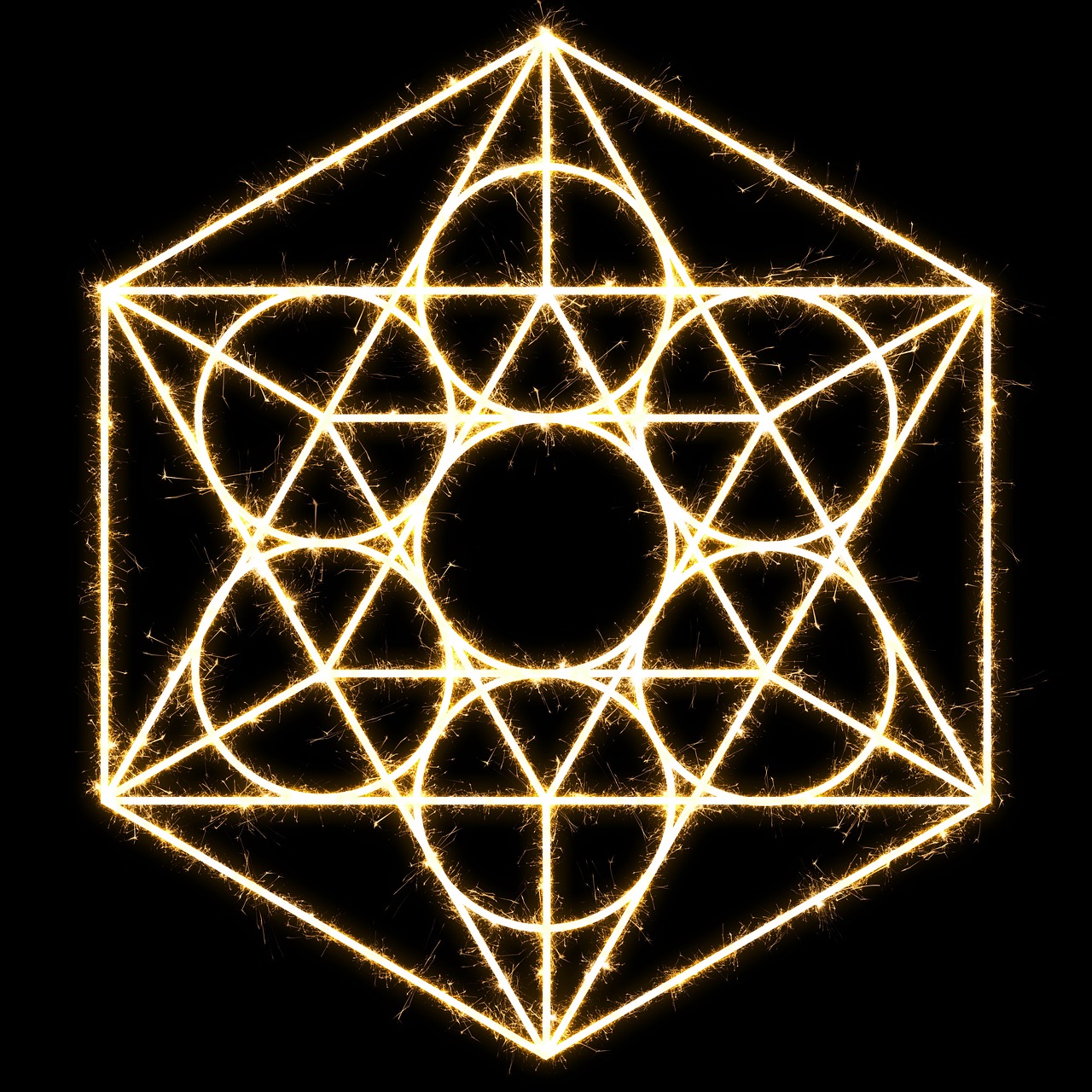
The mandala holds a timeless place in spiritual traditions across the world. From the intricate sand paintings of Tibetan Buddhist monks to the elaborate patterns adorning Hindu temples, from the rose windows of medieval cathedrals to the indigenous medicine wheels of North America, mandalas represent far more than beautiful artwork. They are profound spiritual tools—visual representations of the cosmos, the soul, and the infinite interconnectedness of all existence. Whether you’re seeking deeper spiritual understanding, emotional healing, or simply a gateway to meditation, the mandala invites you into a sacred journey of wholeness and enlightenment.
What Is a Sacred Mandala?
The word “mandala” derives from Sanskrit, meaning “circle” or “complete whole.” At its essence, a mandala is a circular geometric design that radiates outward from a central point, typically featuring symmetrical patterns, multiple layers, and intricate detail. While mandalas vary tremendously in style, complexity, and cultural origin, they all share a fundamental purpose: they represent the universe in microcosm and serve as a bridge between the outer world and the inner spiritual landscape.
The mandala’s circular form is not arbitrary. The circle itself is sacred across countless traditions—it symbolizes completeness, eternity, and the cyclical nature of existence. Unlike linear forms that suggest beginning and end, the circle returns to itself, embodying the eternal return and infinite renewal. This geometry speaks to something deep within the human spirit, reminding us that we are part of something vastly larger than ourselves, yet equally complete within ourselves.
The Spiritual Significance of Mandalas
In Tibetan Buddhism, mandalas are far more than decorative; they are elaborate maps of enlightenment. Monks spend weeks or months creating intricate sand mandalas, only to ritually destroy them upon completion. This practice embodies profound spiritual truths: the impermanence of all things, the release of attachment, and the understanding that the creative process itself—not the finished product—holds the greatest spiritual value.
Hindu mandalas, particularly the Sri Yantra, represent the divine feminine energy and the cosmic dance of creation. The interlocking triangles and geometric patterns within these mandalas illustrate how masculine and feminine principles, matter and spirit, and the manifest and unmanifest dimensions interpenetrate and create wholeness.
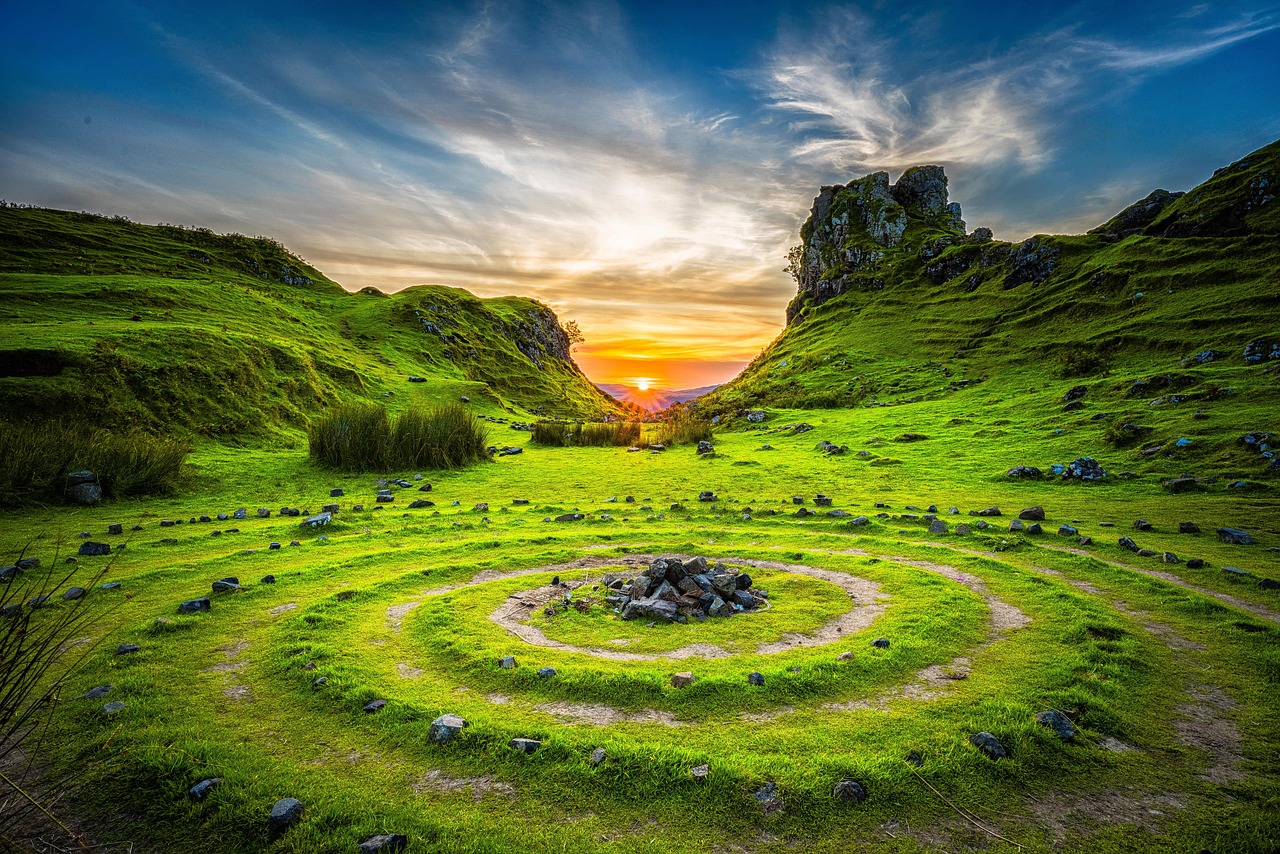
In indigenous traditions, medicine wheels serve as mandalas representing the four directions, the four seasons, and the balance required for harmony and healing. These sacred circles ground spiritual seekers in the natural world and their place within it.
The common thread through all these traditions is clear: mandalas are gateways to understanding the fundamental unity underlying apparent diversity. They teach us that within chaos exists perfect order, and within complexity lies elegant simplicity.
The Psychology of Mandala Meditation
Modern psychology has validated what spiritual traditions have long known: contemplating mandalas produces measurable effects on consciousness. When we gaze upon a mandala, our eyes naturally follow the radiating patterns toward the center, creating a meditative state that quiets mental chatter and anchors awareness in the present moment.
Carl Jung, the pioneering psychologist, was deeply fascinated by mandalas and recognized them as expressions of the psyche’s drive toward wholeness and integration. He observed that patients who spontaneously drew mandala-like patterns were often experiencing significant psychological transformation and healing. Jung understood that the mandala represents the Self—the integrated, whole personality that transcends the fragmented ego.
This insight remains profoundly relevant today. In our fragmented modern lives, bombarded by stimulation and divided attention, the mandala offers a powerful antidote. By focusing on its symmetrical patterns and moving toward its center, we experience a gentle but powerful reintegration of our scattered selves.
How Mandalas Support Spiritual Growth
Mandalas facilitate spiritual development in multiple ways. First, they serve as visual anchors for meditation, helping to steady the restless mind. Unlike abstract meditation techniques that some find challenging, the mandala provides a concrete focal point that naturally draws consciousness inward.
Second, mandalas embody the principle of sacred geometry—the divine mathematics underlying creation. By contemplating these patterns, we attune ourselves to the harmonic frequencies of the universe, subtly shifting our vibrational state toward greater peace and alignment.
Third, mandalas inspire us toward balance and wholeness. Their symmetrical nature reminds us that health and spiritual development involve integrating all aspects of ourselves—shadow and light, masculine and feminine, rational and intuitive. A mandala’s perfect balance serves as a mirror, showing us where we may be out of alignment in our own lives.
Finally, mandalas connect us to a lineage of spiritual seekers spanning centuries and continents. When we contemplate a mandala, we join millions of practitioners across time who have gazed upon similar patterns, all seeking the same fundamental truths about existence and consciousness.
Creating Your Own Mandala Practice
You need not be an artist to benefit from mandalas. Many spiritual practitioners find that creating mandalas—whether through drawing, painting, or digital design—is itself a profound meditative practice. The act of creating radiating patterns from a center point becomes a moving prayer, a conversation with the divine.
If you’re new to mandala practice, consider beginning with coloring existing mandala designs. This accessible entry point combines the meditative benefits of focused attention with the creative joy of color selection. Many practitioners report that coloring mandalas produces states of flow and peace comparable to traditional meditation.
Alternatively, you might simply collect images of mandalas that resonate with you—perhaps from various spiritual traditions—and spend time in silent contemplation with them.
A Mandala Meditation Practice
To experience the transformative power of mandalas, try this simple practice:
Find a quiet space and position yourself comfortably before a mandala image—whether printed, displayed on a screen, or visualized in your mind. Soften your gaze and allow your eyes to naturally follow the patterns toward the center. As your attention moves inward, notice your breath becoming slower and deeper. Remain present with whatever arises—thoughts, sensations, emotions—without judgment. Continue for 15-20 minutes, allowing the mandala to guide you toward your own inner center.
As you emerge from this meditation, notice any shifts in your state of consciousness. Many practitioners report feeling more centered, peaceful, and connected to something greater than themselves.
The sacred mandala awaits your discovery, ready to guide you toward wholeness, harmony, and the recognition of the infinite within the intimate.
Enjoyed this article?
Support the work that makes it possible.
Amount applies to both PayPal and Stripe.