 Ascension Pulse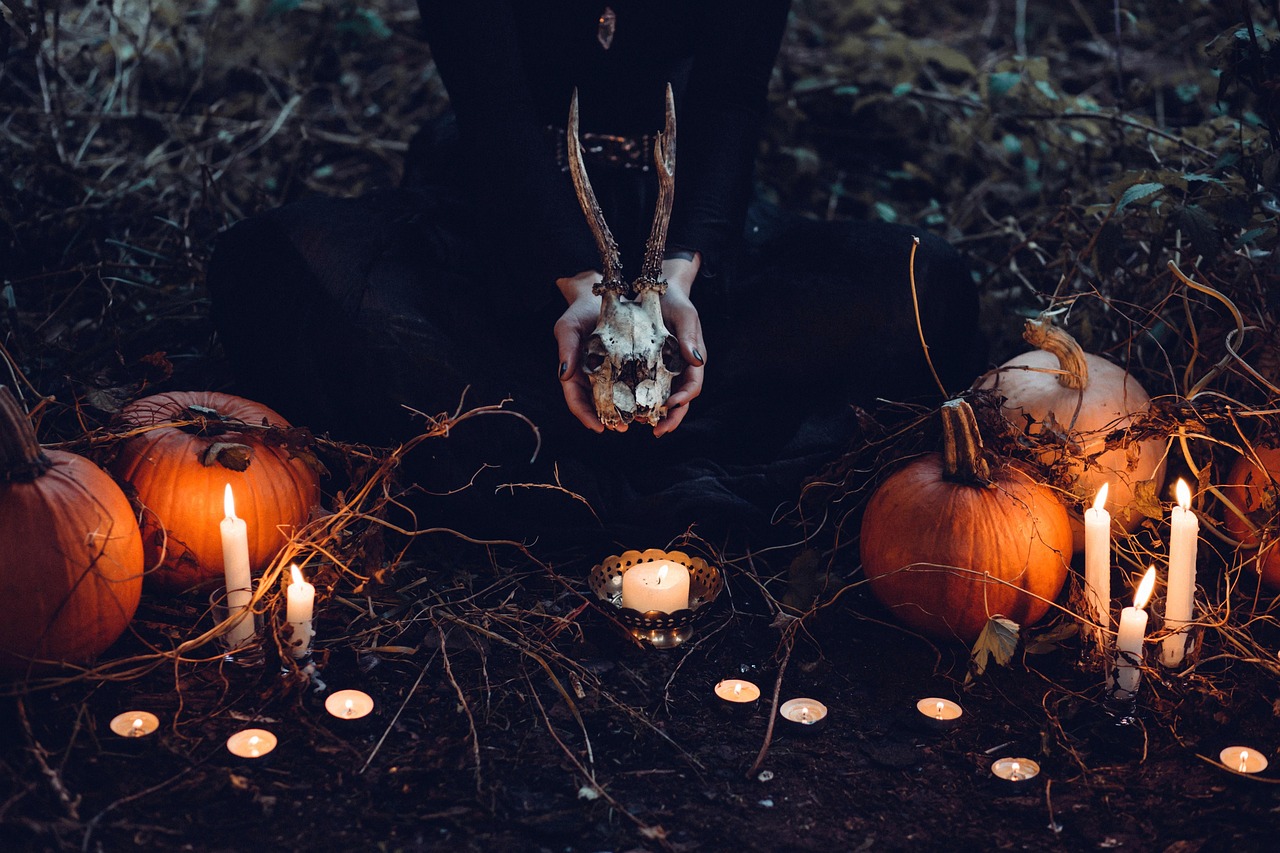
Wicca represents one of the most misunderstood yet profoundly transformative spiritual paths available to contemporary seekers. Far from the Hollywood caricatures of witches and dark magic, Wicca is a nature-based, earth-centered religion that celebrates the divine feminine and masculine, honors seasonal cycles, and encourages practitioners to develop a deep, respectful relationship with the natural world. Whether you’re exploring spirituality for the first time or seeking to deepen your existing practice, understanding Wicca can open doors to personal empowerment, spiritual growth, and genuine connection with the sacred.
The Roots and Philosophy of Wicca
Wicca emerged in the 1950s through the pioneering work of Gerald Gardner in England, though its spiritual foundations draw from ancient pagan traditions, folk practices, and ceremonial magic spanning centuries. The religion honors pre-Christian European spirituality while incorporating modern psychological insights and feminist theology. At its core, Wicca recognizes the divine as both immanent—present within all things—and transcendent, often personified as the Goddess and the God, representing the feminine and masculine aspects of creation.
One of Wicca’s most beautiful principles is the understanding that divinity isn’t separate from nature but intimately woven throughout it. This perspective transforms how practitioners relate to the earth, other beings, and themselves. Rather than viewing humanity as separate from or superior to nature, Wiccans see themselves as part of an interconnected web of life deserving reverence and care.
Core Beliefs and Principles
The foundation of Wiccan practice rests upon several key principles that guide ethical behavior and spiritual development. The Wiccan Rede—often stated as “An it harm none, do what ye will”—emphasizes personal freedom balanced with responsibility. This isn’t permission for selfishness; rather, it’s an invitation to align actions with one’s highest values while considering the wellbeing of all.
The Threefold Law, another central concept, suggests that energy sent out into the universe returns to the sender threefold. This principle encourages mindfulness about intentions and actions, fostering a natural ethical framework rooted in cause and effect rather than external judgment.
Wiccans also celebrate the concept of polarity—the understanding that opposing forces (light and dark, masculine and feminine, active and receptive) are necessary and complementary. This perspective encourages balance and wholeness rather than the rejection of any aspect of human experience.
The Sacred Wheel and Seasonal Celebrations
One of Wicca’s most enchanting features is its eight seasonal festivals, collectively known as the Wheel of the Year. These celebrations mark important astronomical and agricultural points, reconnecting practitioners with natural cycles and the earth’s rhythms.
The four major sabbats—Samhain (October 31), Imbolc (February 1), Beltane (May 1), and Lughnasadh (August 1)—represent significant turning points in the year. The four minor sabbats align with solstices and equinoxes. Together, they create a continuous spiral of death, rebirth, growth, and harvest that mirrors both external seasons and internal transformation.
Celebrating these festivals helps Wiccans attune to natural energies, mark meaningful transitions, and gather in community. Many practitioners create simple altars, share meals, light candles, and perform rituals that honor the season’s particular energy and lessons.
Ritual and Magical Practice
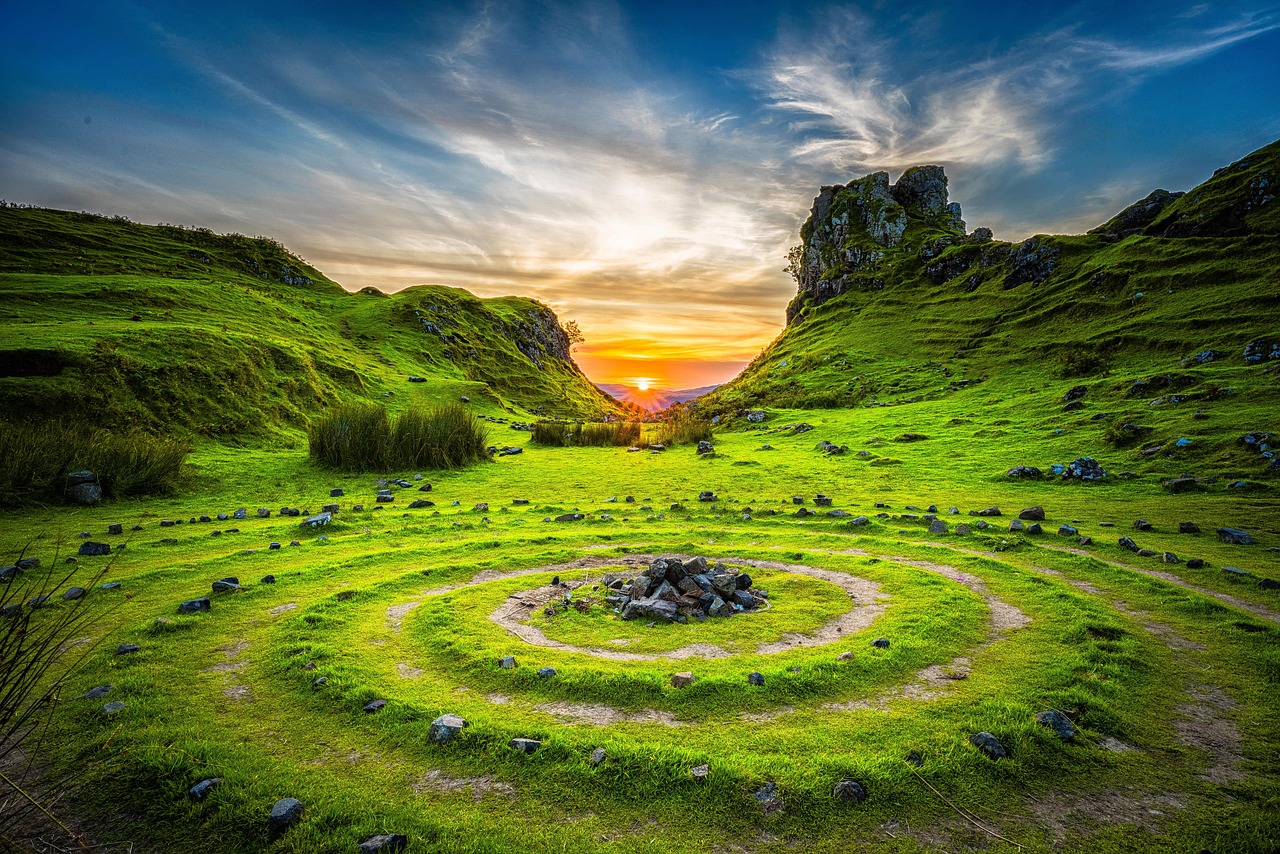
Wiccan ritual is both art and devotion. Practitioners typically “cast a circle”—creating a sacred, protected space—before beginning ceremonies. This practice isn’t about excluding negative forces but rather about focusing energy and creating intentional space for spiritual work.
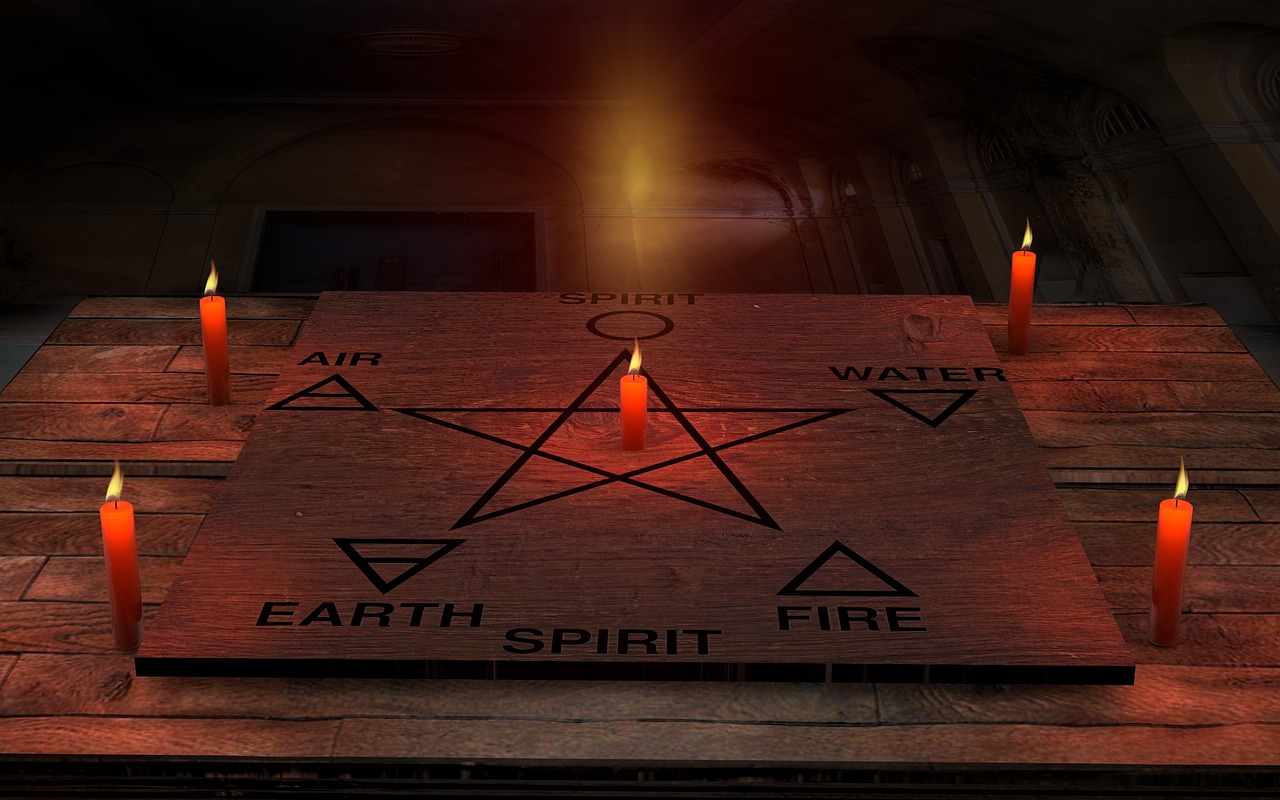
Within this sacred space, Wiccans might invoke the elements (earth, air, fire, water), call upon deity, and work with energy through various methods. Magic in the Wiccan tradition is understood as the art of changing consciousness and reality through focused will, intention, and alignment with natural forces. This might involve candle work, herbal knowledge, crystal energy, meditation, or spoken affirmations.
Importantly, Wiccan magic is never coercive or manipulative. Practitioners seek to work with natural energies and universal flow rather than against them. The goal isn’t to dominate but to collaborate with the forces of nature and the divine.
Solitary Practice and Community
While Wicca can be beautifully practiced alone—many contemporary Wiccans are solitary practitioners who create personal rituals and maintain private altars—community and coven work also hold deep significance. Covens, typically small groups of dedicated practitioners, gather regularly to celebrate sabbats, perform rituals, and support each other’s spiritual development.
Whether solitary or communal, Wiccan practice emphasizes personal spiritual responsibility. There’s no central authority, no dogma, and no requirement to believe specific doctrines. Instead, Wiccans are encouraged to develop direct experience of the divine through nature, meditation, and personal exploration.
Wicca and Personal Transformation
Beyond its ritual and magical dimensions, Wicca offers a comprehensive framework for personal growth. By honoring the divine feminine and masculine within themselves, practitioners often experience greater wholeness and authenticity. By attuning to natural cycles, many discover that their own inner rhythms align with seasons of activity and rest, creativity and integration.
The practice encourages self-reflection, accountability, and conscious living. As practitioners become more aware of energy—their own and the world’s—they often make choices that reflect greater compassion, sustainability, and spiritual alignment.
Dispelling Misconceptions
It’s worth addressing common misunderstandings about Wicca. The religion doesn’t involve devil worship—Wiccans don’t acknowledge a devil figure. It’s not about hexing or harming others; ethical practice is central. Wicca isn’t anti-religious; practitioners respect diverse spiritual paths. And Wicca isn’t inherently witchcraft, though many Wiccans embrace witchcraft as a magical practice within their spirituality.
A Practical Meditation: Connecting with Earth Energy
If you’re curious about Wicca, begin with this simple practice. Find a quiet place outdoors or near a plant. Sit comfortably, remove your shoes if possible, and place your hands on the earth or a living plant.
Close your eyes and take three deep breaths. With each exhale, imagine releasing tension into the earth below, knowing it will be transformed and renewed. Now, with each inhale, draw up the earth’s energy—cool, stable, ancient, and wise. Feel this energy rising through your body, grounding and centering you.
Spend five to ten minutes in this exchange. Notice what you feel, sense, or intuit. This simple practice mirrors Wicca’s essential philosophy: we are not separate from nature but participants in its sacred dance.
Whether Wicca becomes your spiritual path or simply informs your practice, its central message remains timeless: the divine dwells in nature and within you, and honoring both leads to transformation, wisdom, and peace.
Enjoyed this article?
Support the work that makes it possible.
Amount applies to both PayPal and Stripe.