 Ascension Pulse
The concept of Zen living has captivated seekers for centuries, offering a pathway to inner peace amidst the chaos of modern life. Yet many wonder: what does it truly mean to live Zen? Is it merely a spiritual philosophy reserved for monks in monasteries, or can it be woven into our everyday existence? The answer is beautifully simple—Zen living is accessible to anyone willing to cultivate awareness, acceptance, and presence in their daily life.
Understanding Zen: Beyond the Stereotype
Zen Buddhism, which emerged from the fusion of Indian Buddhism and Chinese Taoism, emphasizes direct experience over intellectual understanding. It teaches that enlightenment isn’t something distant or unreachable, but rather a natural state we can access through mindfulness and letting go of unnecessary mental clutter. Zen living isn’t about adopting exotic practices or abandoning modern life; it’s about transforming how we engage with existence itself.
The essence of Zen can be captured in a single principle: be fully present with whatever arises. This doesn’t require shaving your head, becoming vegetarian, or moving to a mountaintop. Instead, it invites us to bring intention and awareness to each moment, whether we’re washing dishes, walking to work, or spending time with loved ones.
The Art of Mindfulness in Daily Life
At the heart of Zen living lies mindfulness—the practice of observing our thoughts, feelings, and surroundings without judgment. Unlike the goal-oriented mindset that permeates Western culture, Zen mindfulness isn’t about achieving anything. It’s about noticing what’s already here.
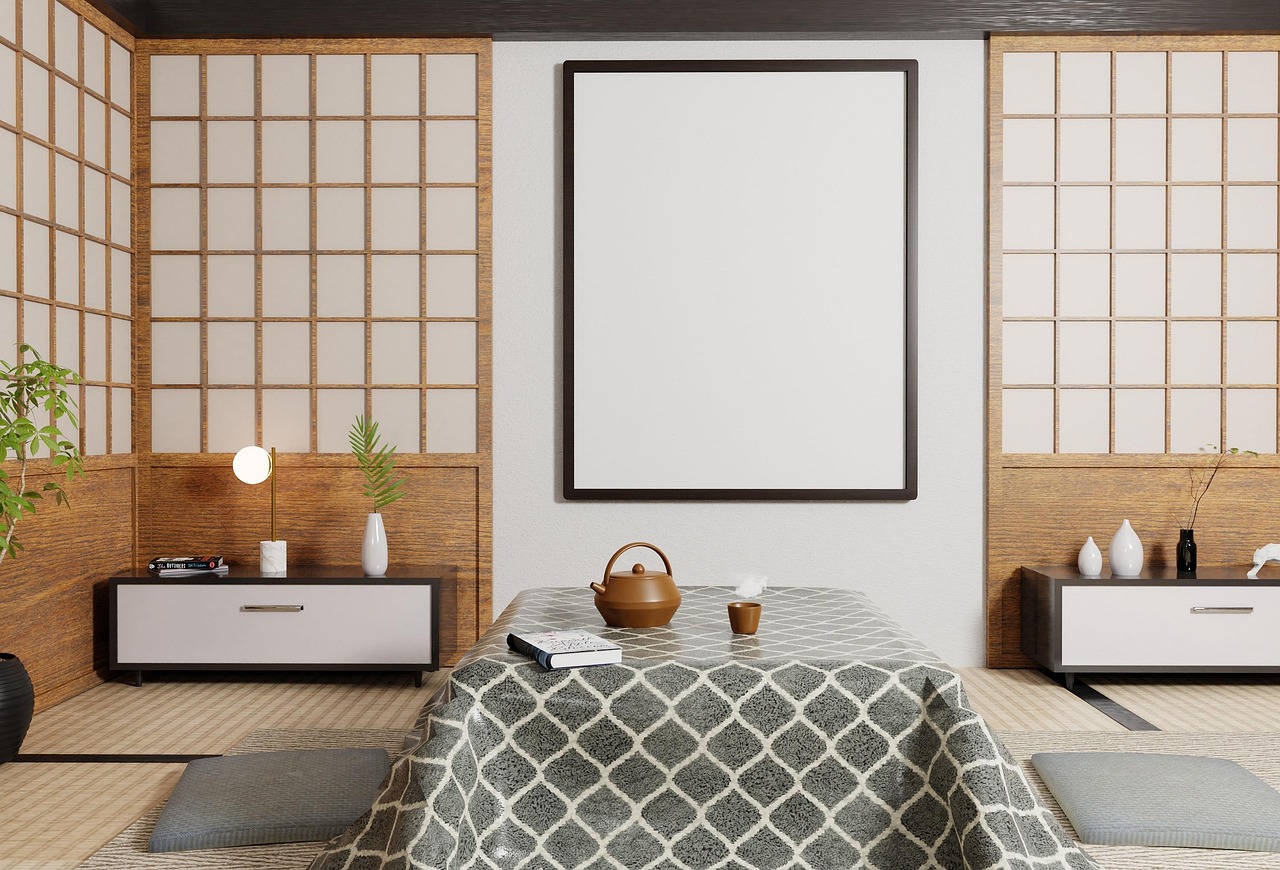
When you practice mindful awareness during routine activities, something remarkable happens. A simple cup of tea becomes a meditation. The warmth of the cup in your hands, the aroma rising with the steam, the taste unfolding on your tongue—all of these sensations become doorways to presence. This shift transforms mundane moments into opportunities for spiritual connection.
Incorporating mindfulness into daily life requires no special equipment or time commitment. You can begin right now, with your next breath. Notice the natural rhythm of inhaling and exhaling. Feel your feet connecting with the ground. Observe the colors and shapes in your immediate surroundings. These small acts of attention anchor you in the present moment, where life actually happens.
Embracing Simplicity and Letting Go
Zen aesthetics celebrate simplicity—evident in minimalist gardens, spare architecture, and uncluttered spaces. This isn’t about deprivation; it’s about intentionality. Every object, every word, every commitment should serve a purpose.
Zen living invites us to examine our lives with honest eyes. What do we own that no longer serves us? What commitments drain our energy? What thoughts do we habitually entertain that don’t contribute to our well-being? By releasing unnecessary possessions, obligations, and mental patterns, we create space for what truly matters.
This practice of letting go extends beyond the physical realm. Zen teaches us to release attachment to outcomes, expectations, and the need to control our circumstances. This doesn’t mean becoming passive or indifferent. Rather, it means acting with full commitment while accepting that we cannot control results. We show up fully, do our best, and trust in the natural unfolding of life.
The Practice of Acceptance
One of Zen’s most liberating teachings is the principle of acceptance. Life presents us with joy and sorrow, success and failure, health and illness. Rather than resisting what we don’t like or clinging desperately to what we do, Zen wisdom invites us to meet all experiences with equanimity.
Acceptance doesn’t mean resignation or passivity. It means acknowledging reality as it is, rather than as we wish it to be. When you accept the current moment—even when it’s uncomfortable—you free yourself from the exhausting struggle against what’s already true. This acceptance paradoxically empowers you to respond more effectively to challenges.
Consider how resistance creates suffering. You spill coffee on your shirt and think, “This shouldn’t have happened. This is terrible. Why does this always happen to me?” The spilled coffee itself causes minimal suffering, but your resistance to it generates emotional turmoil. With Zen acceptance, you might simply notice: “Coffee spilled. I need to change my shirt.” The situation is handled with clarity rather than drama.
Cultivating Beginner’s Mind
Zen emphasizes “beginner’s mind”—approaching each moment with fresh curiosity, as if experiencing it for the first time. This counters our tendency to filter experience through accumulated assumptions and judgments.
When you look at your partner with beginner’s mind, you see them anew rather than through the lens of years of habit. When you taste your morning coffee with beginner’s mind, you actually taste it rather than simply consuming it while thinking about your to-do list. This quality of attention transforms ordinary life into an adventure of continuous discovery.
Beginner’s mind is particularly valuable when facing challenges. Instead of assuming “I can’t do this because I’ve failed before,” you approach with openness: “What might be possible if I approach this fresh?” This mental flexibility opens pathways that rigid thinking would have closed.
Living with Purpose and Compassion
Zen living naturally gives rise to compassion. When you recognize that all beings share the fundamental desire to be happy and free from suffering, boundaries between self and other dissolve. Your own well-being becomes inseparable from the well-being of others.
This doesn’t require grand gestures. Zen compassion expresses itself in small acts: truly listening when someone speaks, offering genuine presence to those who suffer, treating all creatures with respect. These simple practices acknowledge the inherent worth in all existence.
Your Daily Zen Practice
Begin today with a simple commitment: choose one routine activity to practice with full presence. It might be your shower, your commute, or your morning meal. Engage all your senses. Notice details you usually overlook. When your mind wanders—and it will—gently return your attention without judgment.
As this practice becomes natural, extend it to other activities. Over time, you’ll find that Zen living isn’t something you do at designated times; it becomes the texture of your entire life.
Meditation for Zen Living:
Sit comfortably and focus on your natural breath for five minutes. When thoughts arise, observe them like clouds passing through the sky—present but not solid, temporary, not requiring your engagement. Return gently to your breath. This simple practice embodies Zen living: presence without striving, awareness without attachment, peace through acceptance.
Enjoyed this article?
Support the work that makes it possible.
Amount applies to both PayPal and Stripe.