 Aria Luminary
The Hidden Origins of the Archons
Ancient Gnostic stone relief depicting the Archons as cosmic rulers
The term “Archon” derives from the Greek word árchōn, meaning “ruler” or “lord.” While mainstream historical accounts rarely mention these entities, the discovery of the Nag Hammadi library in 1945 revealed texts that spoke extensively about these cosmic beings. According to these ancient scrolls, the Archons were not benevolent guardians but malevolent cosmic jailers who sought to keep humanity trapped in ignorance.
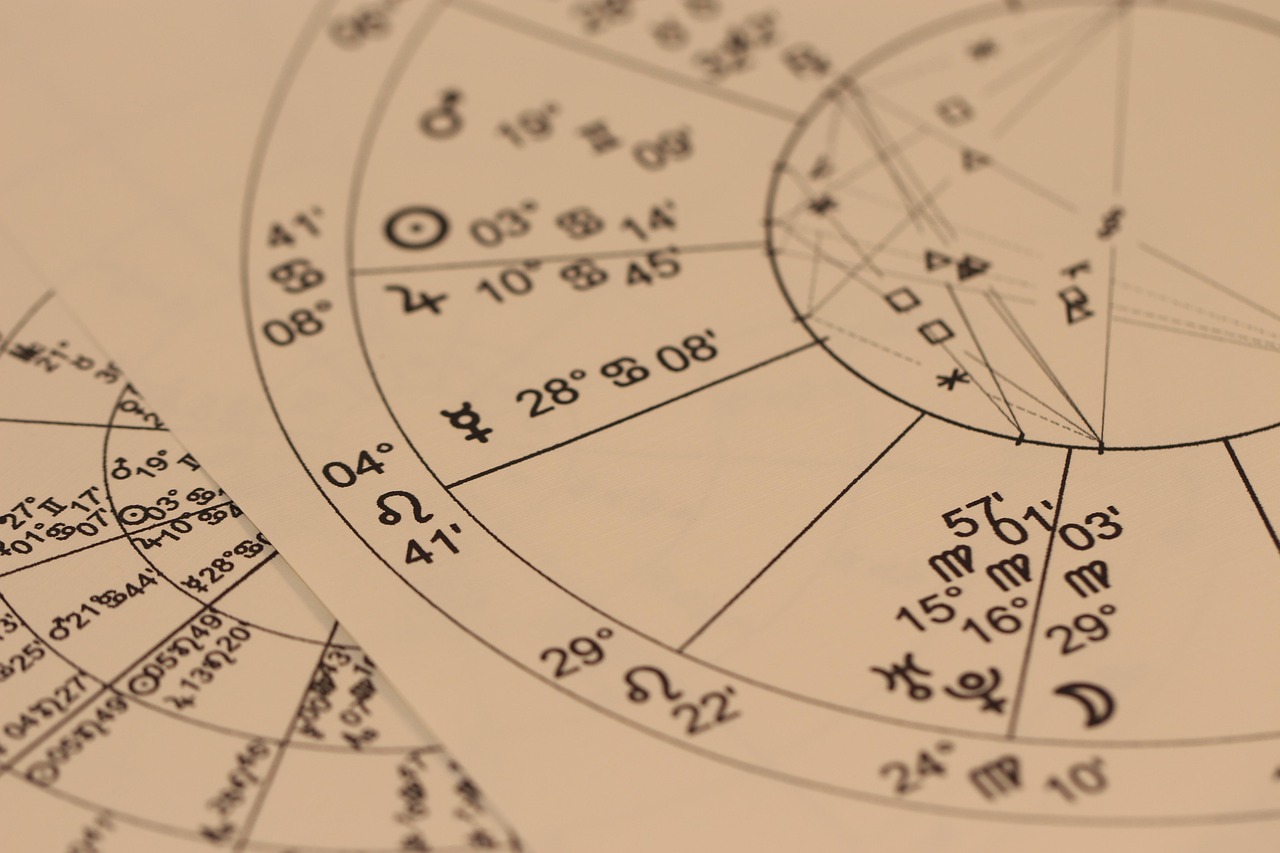
What’s particularly shocking is how references to these beings appear across multiple ancient cultures under different names. The seven Archons were often associated with the seven classical planets known in antiquity: Saturn, Jupiter, Mars, the Sun, Venus, Mercury, and the Moon. Each planetary sphere was believed to be governed by an Archon who controlled specific aspects of human existence.
“The Archons represent perhaps the most significant ‘missing piece’ in our understanding of ancient cosmological beliefs. Their deliberate omission from mainstream historical accounts raises profound questions about what else might have been concealed.”
The Terrifying Appearance of the Archons

One of the most disturbing aspects of Archonic lore comes from the Gnostic text Hypostasis of the Archons, which describes these entities as having “bodies that are both female and male, and faces that are the faces of beasts.” This boundary-crossing nature was deeply unsettling to ancient peoples, who viewed such hybrid forms as fundamentally chaotic and unnatural.
The chief Archon, often called Yaldabaoth, was typically depicted with a lion’s face and a serpentine body—imagery that mirrors certain terrifying angelic beings described in biblical texts like Ezekiel. Other Archons bore the faces of various animals: hyenas, donkeys, apes, and multi-headed serpents. These weren’t merely symbolic representations but were believed to be their actual forms as perceived by those with spiritual sight.
The Cosmic Prison: How the Archons Control Reality

According to Gnostic cosmology, the material world itself is a sophisticated prison designed by the Archons. Unlike benevolent creators, these entities crafted physical reality as a complex system of control—a matrix of illusion that keeps human souls trapped in ignorance of their divine origin. The Archons maintain this cosmic prison through several shocking mechanisms:
1. Enforced Forgetfulness
The Archons deliberately cloud human consciousness, making us forget our divine origins. This “veil of forgetting” ensures that most humans never question the nature of reality or seek higher knowledge.
2. False Religious Systems
Perhaps most controversially, Gnostic texts suggest that the Archons created and manipulated religious institutions to keep humanity worshipping false gods—primarily the Demiurge (Yaldabaoth), whom they presented as the true creator.
3. Emotional Manipulation
The Archons were believed to feed on negative human emotions, particularly fear. They would deliberately create conditions that generate fear, anger, and suffering to sustain themselves.
4. Reincarnation Trap
Many Gnostic texts describe a system where human souls are recycled back into physical bodies after death, preventing their escape from the material realm and return to the divine Pleroma (fullness).
The Seven Planetary Archons and Their Domains

The concept of seven ruling Archons appears consistently across various Gnostic texts. Each Archon was associated with a celestial sphere and possessed specific powers and characteristics. What follows is information pieced together from multiple ancient sources, including the Nag Hammadi scriptures:
| Archon Name | Planetary Sphere | Appearance | Domain of Control |
| Yaldabaoth (Saklas, Samael) | Saturn | Lion-faced serpent | Creation, authority, limitation |
| Iao | Jupiter | Seven-headed snake | Law, dominion, religious authority |
| Sabaoth | Mars | Serpent-faced | War, conflict, strife |
| Adonaios | Sun | Fiery form | Pride, ego, self-importance |
| Astaphaios | Venus | Hyena-faced | Desire, attachment, lust |
| Eloaios (Ailoein) | Mercury | Donkey-faced | Communication, deception |
| Horaios | Moon | Flaming fire | Emotion, instability, time |
What’s particularly fascinating is how these Archonic names appear to be corruptions of divine names from various ancient Near Eastern religions. For example, “Iao” likely derives from “Yahweh,” while “Sabaoth” comes from the Hebrew “Tzabaoth” (hosts or armies). This suggests a deliberate inversion of mainstream religious concepts, positioning what many worshipped as gods as actually being cosmic deceivers.
Escaping the Archons: The Path of Spiritual Ascent

The Gnostic texts describe a fascinating process by which enlightened souls could escape the Archons’ control after death. This spiritual ascent required the soul to pass through each of the seven planetary spheres, confronting the Archon who ruled that realm. At each gate, the Archon would attempt to block passage by asking specific questions or demanding passwords.
Only those who possessed true gnosis (spiritual knowledge) could provide the correct responses and continue their journey upward. These “passwords” weren’t mere words but represented deep spiritual understanding that demonstrated the soul’s readiness to transcend material existence. Texts like the First Revelation of James in the Nag Hammadi library provide examples of these spiritual passwords.
“The soul’s journey past the Archons represents the ultimate act of spiritual rebellion—a cosmic jailbreak from the prison of material existence. Those who achieved this were considered to have attained salvation in the truest sense.”
What’s particularly remarkable is how this concept of spiritual ascent through planetary spheres appears in modified forms across multiple ancient traditions, including Hermeticism, Mithraism, and even aspects of Neoplatonism. This suggests either a common source or that this knowledge was considered so important it was preserved across multiple esoteric traditions.
The Shocking Biblical Connections to the Archons

One of the most controversial aspects of Archon mythology is its relationship to mainstream biblical texts. The Gnostics interpreted numerous biblical passages as actually referring to the Archons and their chief, the Demiurge. Consider these startling connections:
Ephesians 6:12
“For our struggle is not against flesh and blood, but against the rulers, against the authorities, against the powers of this dark world and against the spiritual forces of evil in the heavenly realms.”
Gnostics interpreted these “rulers” (archons in Greek) and “authorities” as direct references to the cosmic Archons who controlled the material world.
Genesis 1:26
“Then God said, ‘Let us make mankind in our image, in our likeness…'”
The plural “us” was interpreted by Gnostics not as evidence of the Trinity (as later Christian theology would claim) but as the Demiurge speaking to his Archon assistants as they created the physical human form as a prison for divine sparks.
Perhaps most shocking is how the descriptions of certain angels in the Bible—particularly the strange, multi-faced beings in Ezekiel and Revelation—bear striking similarities to Gnostic descriptions of Archons. The “biblically accurate angels” that have recently gained attention online for their terrifying appearance may actually align more closely with how Gnostics envisioned the Archons than with conventional angelic imagery.
This raises profound questions: Were the entities described in mainstream religious texts actually the same beings that Gnostics identified as cosmic jailers? Did early orthodox Christianity deliberately obscure these connections to maintain control over its growing flock?
Modern Interpretations: The Archons in Contemporary Thought

The concept of the Archons has experienced a remarkable resurgence in contemporary thought, particularly in psychological, philosophical, and even technological contexts. Carl Jung viewed the Archons not as literal cosmic entities but as powerful archetypes within the collective unconscious—forces that shape human behavior and perception from within.
In more recent interpretations, the Archons have been compared to:
Psychological Forces
Internal mechanisms like fear, shame, and social conditioning that limit human potential and self-realization—the “inner jailers” that keep us trapped in patterns of self-defeating behavior.
Societal Systems
Institutions and power structures that maintain control through manipulation of information, surveillance, and the promotion of materialistic values that keep people distracted from deeper questions.
Technological Control
The growing influence of algorithms, AI systems, and digital media that shape perception, limit attention spans, and create addictive behavioral loops—modern versions of the “archonic prison.”
What makes these modern interpretations so compelling is how they maintain the essential Gnostic insight—that humanity is subject to forces that limit consciousness and freedom—while translating ancient cosmological concepts into frameworks relevant to contemporary experience.
“Whether understood as literal entities or psychological forces, the Archons represent a profound insight into the human condition: that we are influenced by powers we rarely perceive directly, and that liberation begins with becoming aware of these influences.”
Conclusion: Why the Archons Matter Today

The ancient concept of the Archons offers a powerful metaphor for understanding the forces that limit human consciousness and freedom, whether we interpret these forces as literal cosmic entities or as psychological and societal constructs. The Gnostic vision of reality as a system designed to keep souls trapped in ignorance resonates deeply in our age of information overload, digital distraction, and institutional control.
Perhaps the most valuable aspect of this ancient wisdom is its emphasis on gnosis—direct, experiential knowledge—as the path to liberation. In a world increasingly dominated by external authorities telling us what to believe, the Gnostic tradition reminds us that true understanding comes from within, from our own direct experience of reality beyond the veils of deception.
Whether or not the Archons exist as cosmic beings, the concept invites us to question the nature of reality, to examine the forces that shape our perceptions and beliefs, and to seek a deeper understanding of our place in the cosmos. In this sense, the ancient Gnostics may have left us a philosophical legacy far more valuable than they could have imagined—a conceptual framework for recognizing and transcending the limitations imposed upon human consciousness.
Disclaimer: This article is for educational purposes only. Theories presented about the Archons are speculative and represent various interpretations of ancient texts and beliefs. Readers are encouraged to conduct their own research and form their own conclusions.
Enjoyed this article?
Support the work that makes it possible.
Amount applies to both PayPal and Stripe.