 Aria Luminary
What lies behind the veil of a forgotten civilization that once thrived? The enigmatic Tartaria has long been shrouded in mystery. It sparks intense curiosity and debate among historians and enthusiasts alike.
As we embark on a journey to unravel the secrets of this lost world, we find ourselves entwined in a complex web. This web includes historical context, architectural marvels, and speculative theories surrounding its disappearance.
By exploring history, architecture, and speculation, we aim to shed light on the mystique of ancient Tartarian civilization. This forgotten civilization continues to captivate our imagination.
The Historical Context of Tartary
Exploring Tartary’s history reveals a mix of cultures and geography. The Tartarian Empire once covered vast lands, leaving a lasting impact on history.
Historical accounts of Tartary highlight its wide reach and rich cultural heritage. Knowing its geographical scope helps us fully appreciate its historical importance.
Regions of Influence
The Tartarian Empire’s influence was felt across many regions, shaping history in significant ways.
From Eastern Europe to Asia
Tartary’s territory spanned from eastern Europe to vast parts of Asia. This created a unique cultural and political scene.
Changing Boundaries Through Centuries
Over time, Tartary’s borders changed a lot. This was due to historical events and cultural exchanges.

| Region | Historical Significance | Cultural Influence |
|---|---|---|
| Eastern Europe | Played a key role in shaping European history | Influenced local cultures and traditions |
| Central Asia | Was a key center for trade and cultural exchange | Helped spread ideas and technologies |
| Siberia | Expanded Russian influence in the area | Impacted indigenous cultures and settlement patterns |
The history of Tartary is rich and complex. It offers insights into power, culture, and geography. By looking at the regions it influenced, we can understand the Tartarian Empire’s enduring legacy.
The Rise and Fall of the Tartarian Empire
Exploring the Tartarian Empire’s history, we find a story of growth and decline. This civilization, rooted in Eurasia’s vast steppes, shows us how empires change over time.
Origins of the Tartarian Civilization
The Tartarian civilization’s beginnings are complex, blending different cultures and ethnicities. They came from the mix of nomadic groups and settled communities.
Connections to Mongol and Turkic Peoples
The Tartarians share ties with the Mongol and Turkic peoples. This is seen in their nomadic way of life and administrative systems. Their cultural practices and traditions show this influence.
Cultural and Societal Structure
The Tartarians’ society was complex, with both nomadic and settled people. Their cultural achievements in architecture and art show a sophisticated society. Their ability to blend different cultures helped them grow and adapt.

Studying the Tartarian Empire’s rise and fall teaches us about power, culture, and geography. Looking into their origins and cultural structure helps us understand their historical significance and lasting impact.
Tartaria: The Empire That History Forgot
As we explore history, the Tartarian Empire stands out. It had a complex political structure. Its governance and leadership shaped its path and interactions with others.
The Political Structure of Tartaria
The empire’s governance was advanced. It allowed it to control its large territories. A hierarchical leadership was at its core.
Governance and Leadership
The empire’s leadership was centralized. A supreme leader or council held power. They made big decisions, enforced laws, and managed the empire.
The leadership mixed autocratic and consultative elements. This allowed for quick action and advice from others.
Relationship with Neighboring Powers
Tartaria’s ties with neighbors were complex. It involved diplomacy, trade, and conflict. The empire’s location helped in trade but made it a target for expansion.
Leaders used marriage alliances, trade agreements, and military campaigns. These strategies helped keep the empire strong and influential.

The complex politics of Tartaria were key to its rise and fall. Knowing about its governance and diplomacy gives us a deeper look into its history.
Tartarian Architecture: Evidence of an Advanced Civilization?
The legacy of Tartaria is fascinating, seen in its buildings. These structures show a unique style and advanced engineering. They hint at a forgotten civilization’s sophistication.

Distinctive Features of Claimed Tartarian Buildings
Tartarian architecture stands out with its unique features. Ornate domes and spires are key to this style.
Ornate Domes and Spires
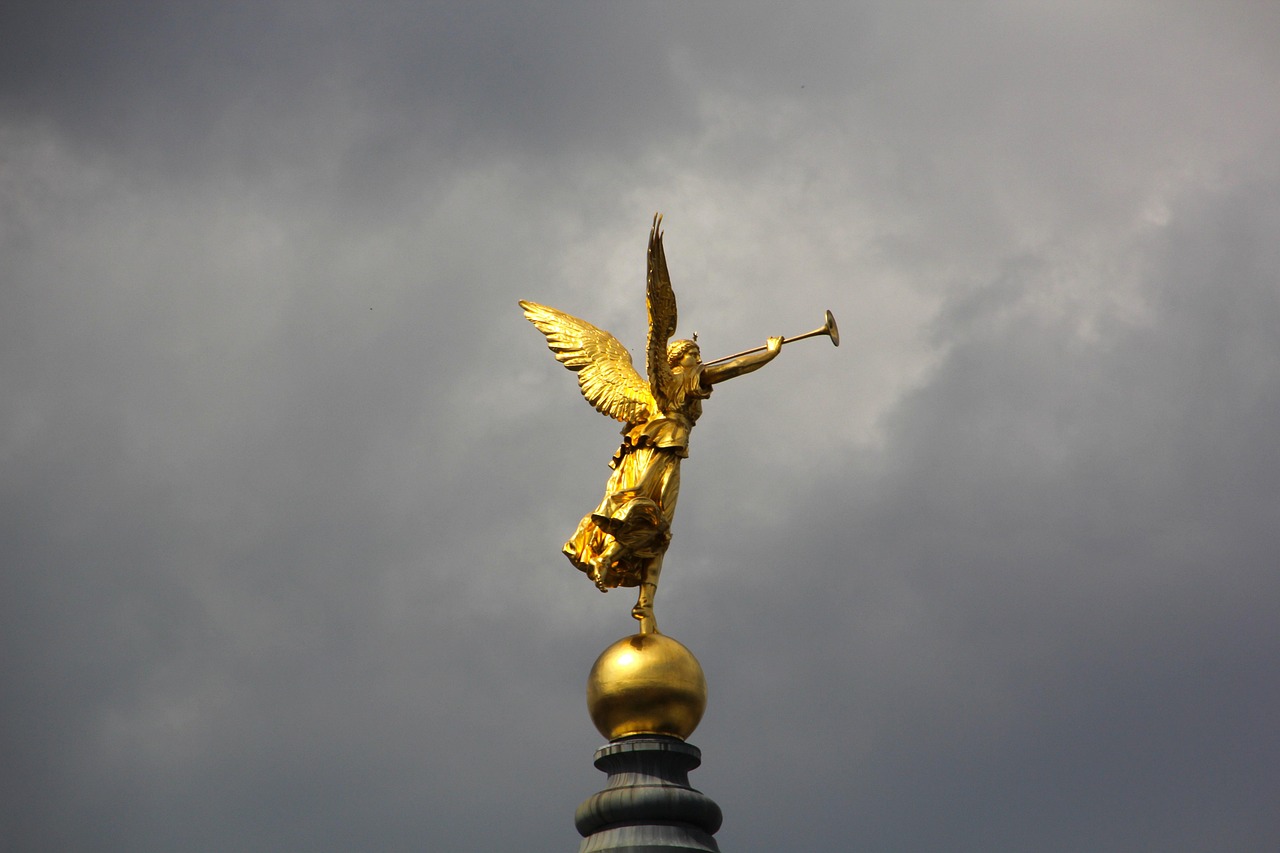
The domes and spires of Tartarian buildings are beautiful and show great skill. They have detailed designs, showing the builders’ artistry and technical ability. These elements might have had both practical and symbolic meanings.
Advanced Engineering Techniques
Tartarian buildings also show advanced engineering. Building them required knowledge of materials science, physics, and math. This suggests the Tartarians were highly skilled, proving they were an advanced civilization.
Exploring Tartarian architecture gives us a peek into this enigmatic culture. It helps us understand the Tartarians and their historical context.
The Mud Flood Theory and Tartaria
Exploring Tartaria, we find the mud flood theory quite intriguing. It suggests a massive mud flood hit Tartaria, sparking debate and curiosity. This event has become a hot topic among researchers and fans.
The mud flood theory is more than just a guess. It’s a detailed story trying to explain how a civilization fell. Buildings buried up to their roofs or windows in mud are seen as evidence of this flood. This phenomenon is found worldwide, linked to Tartaria.
Understanding the Mud Flood Hypothesis
The mud flood hypothesis has many sides, with theories on its start and when it happened. To get it, we need to look at what researchers say and the evidence they offer.
Origins of the Theory
The start of the mud flood theory is a mystery. Speculations range from natural disasters to human-made catastrophes. Some think it was a mix of these, making it a complex event.
Proposed Timeline and Events
The timeline and events of the mud flood theory vary. Some say it happened quickly, while others think it was a slow process. Knowing when it happened helps us understand its impact.
Looking into the mud flood theory and Tartaria, we learn about the possible reasons for Tartaria’s decline. Though it’s a theory, it gives us a unique view of Tartaria’s history.
Analyzing Historical Maps and Tartaria
Historical maps give us a peek into the past. They show clues about Tartaria’s existence and size. These maps are more than just pictures of places; they are windows into the past.
By looking at these ancient documents, we learn how Tartaria was seen by cartographers. The way Tartaria is shown on maps changes over time. This reflects not just geography but also politics and culture.
Tartary on Ancient Maps
Tartaria’s presence on old maps shows its importance in history. The way it was shown varied, based on the cartographer’s view and the map’s purpose.
16th-18th Century Cartography
In the 16th to 18th centuries, maps became more common. Tartaria was often shown on these maps. Cartographers like Gerardus Mercator saw Tartaria as a big area in Asia and Europe.
Disappearance from Modern Maps
But as maps got more accurate and borders changed, Tartaria faded from modern maps. By the 19th and 20th centuries, it was mostly gone. It was replaced by more specific names and borders.
| Century | Cartographic Representation of Tartaria |
|---|---|
| 16th | Tartaria depicted as a vast territory |
| 17th | Detailed maps showing Tartaria’s geographical expanse |
| 18th | Start of Tartaria’s gradual disappearance from maps |
| 19th-20th | Tartaria largely absent from modern cartography |
Looking at old maps helps us understand Tartaria’s past and its disappearance. This study also shows how cartography has changed. It helps us see how our view of the world has evolved.
Scholarly Perspectives on Tartaria
Exploring Tartaria reveals a complex mix of history and academic views. Scholars are both skeptical and curious about this ancient civilization. This is because there’s not much clear information about it.
Academic Understanding of Tartary
The academic world is trying to figure out what’s real about Tartaria. They focus on historical texts, maps, and archaeological finds. By studying these, they hope to get a clearer view of Tartaria’s past and importance.
Finding solid information on Tartaria is hard because of few primary sources and conflicting stories. Yet, scholars keep working to learn more about this mysterious culture.
Historical Consensus
Opinions on Tartaria vary among historians. Some believe it was a real, important place, while others think it’s a myth. Many historians have shared their views on whether Tartaria really existed.
- Some say ancient maps show Tartaria existed.
- Others doubt it because there’s no solid archaeological proof.
Archaeological Evidence
Archaeology plays a big role in understanding Tartaria. Excavations have uncovered clues about ancient cultures possibly linked to Tartaria.
New finds have made scholars more interested in Tartaria’s history. As more evidence comes to light, they keep updating their knowledge of this enigmatic civilization.
The Modern Tartaria Movement
The modern Tartaria movement is a complex mix of online communities and research. It has grown a lot in the digital age. Many factors have helped it expand.
Online Communities and Research
Online groups and independent researchers drive the modern Tartaria movement. They work together to uncover the truth about Tartaria. They share their findings and discuss theories.
Social Media and Forums
Social media and online forums are key for sharing Tartaria info. They let researchers share discoveries and work together. This helps them find new things.
Independent Researchers
Independent researchers are key in the modern Tartaria movement. They do deep research, analyze old records, and come up with new theories. They often question what we already know.
The work of online communities and independent researchers has greatly helped the modern Tartaria movement. Their efforts have brought new insights to this mysterious topic. They have also created a community for those interested in Tartaria.
Conclusion: Separating Fact from Fiction
Exploring Tartaria shows us how hard it is to tell fact from fiction. We’ve looked into its history, rise, and fall. We’ve also checked out different theories about this mysterious civilization.
Studying Tartaria is more than just learning about history. It’s about carefully looking at sources and stories that shape our view of the past. By examining historical maps, buildings, and expert views, we’ve tried to make Tartaria clearer.
We know some parts of Tartaria are a mystery. But, by looking closely at what we have, we can find the truth. For more information, check out academic journals and historical archives.
The sources in this article come from trusted historical and academic places. This gives us a fair view of Tartaria. We hope readers keep digging into this interesting topic and questioning what they find.
Enjoyed this article?
Support the work that makes it possible.
Amount applies to both PayPal and Stripe.