 Ascension Pulse
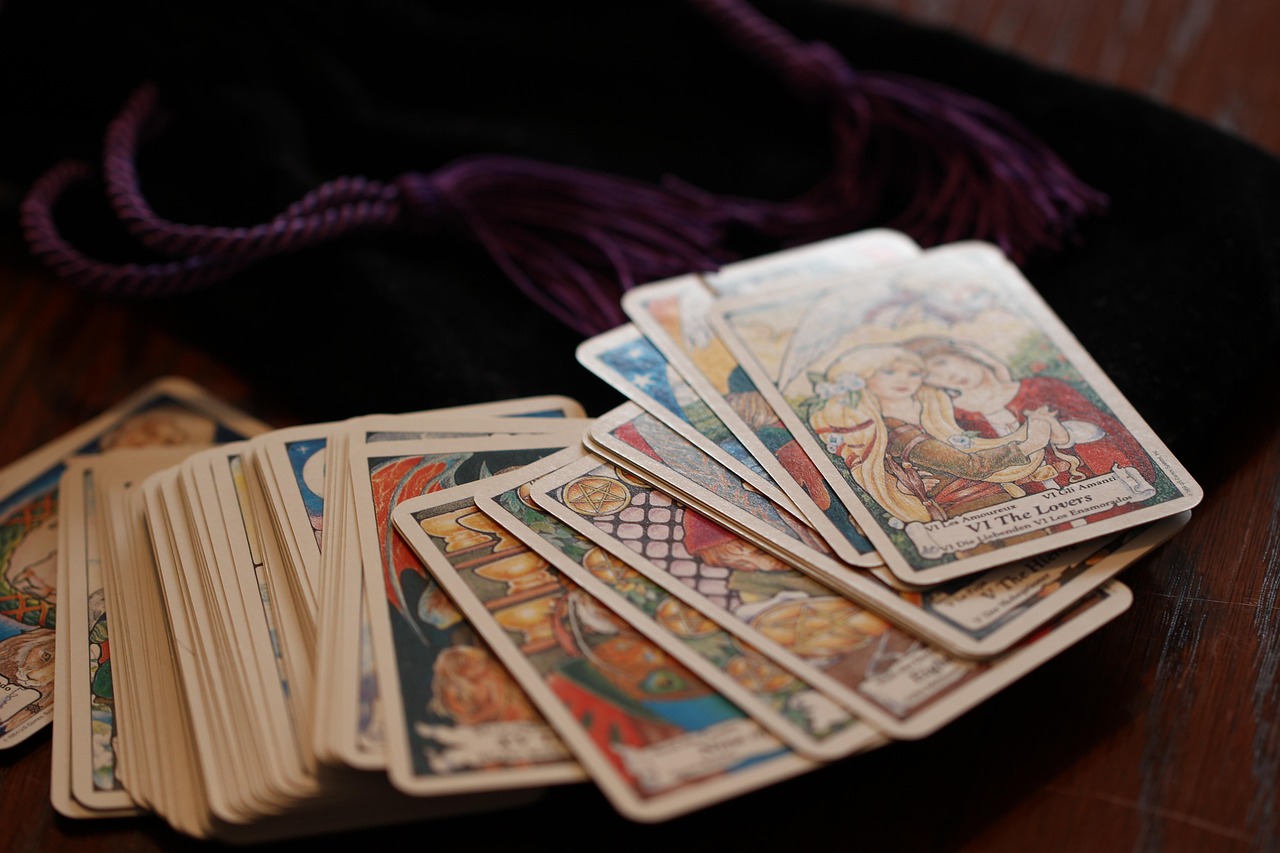
The cards have always known something we’re still learning: that life is not a fixed destination, but a constantly unfolding conversation between our choices and our destiny. Tarot, far from being a tool of fate, is actually an invitation to become the conscious architect of your own spiritual journey. When we shuffle a deck and lay out those sacred symbols, we’re not asking the universe to tell us what will happen—we’re asking it to show us what’s possible, and more importantly, what role we play in creating it.
Beyond Fortune-Telling: Tarot as a Mirror of Consciousness
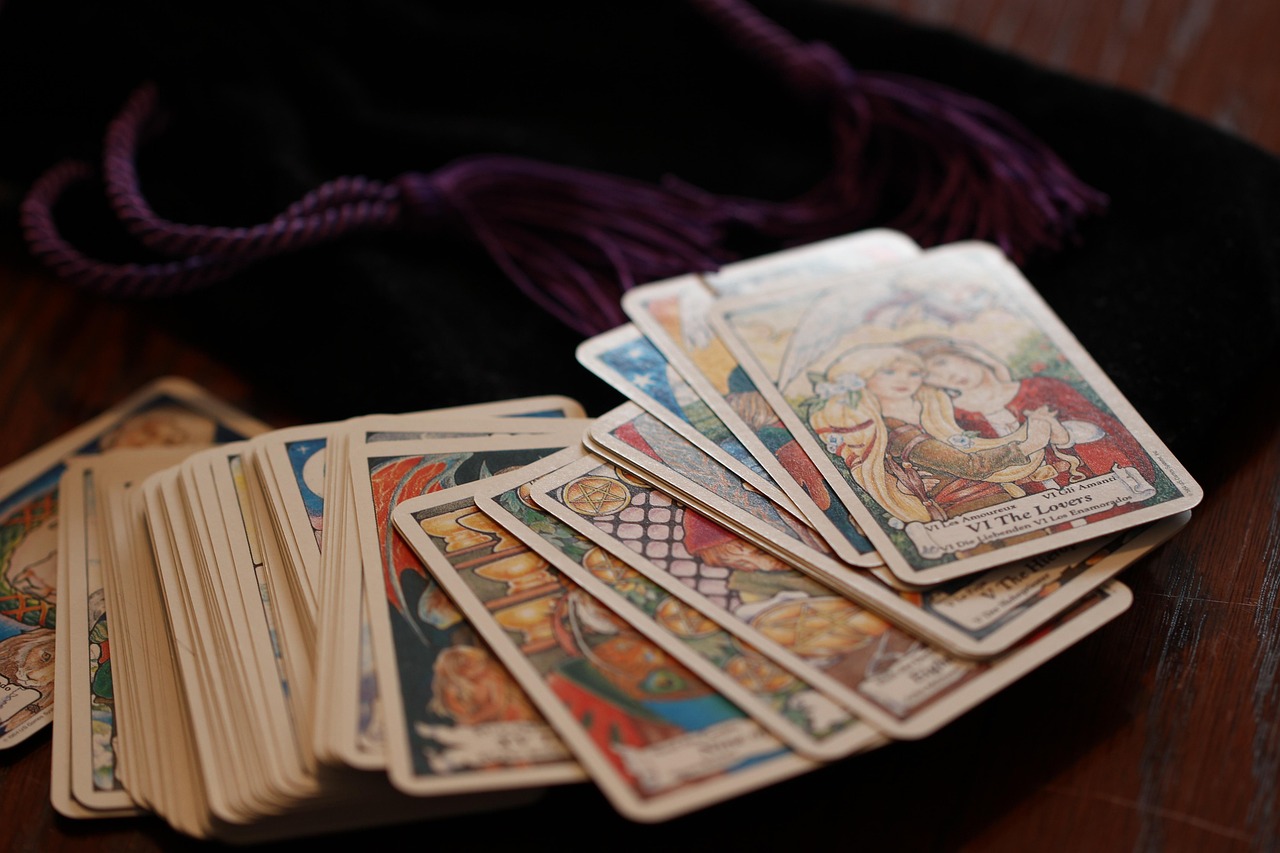
Many people approach tarot with the belief that the cards predict a fixed future. But this misses the profound spiritual gift tarot truly offers. The seventy-eight cards of a traditional deck aren’t prophecies carved in stone; they’re archetypal mirrors reflecting the landscape of human experience, choice, and transformation.
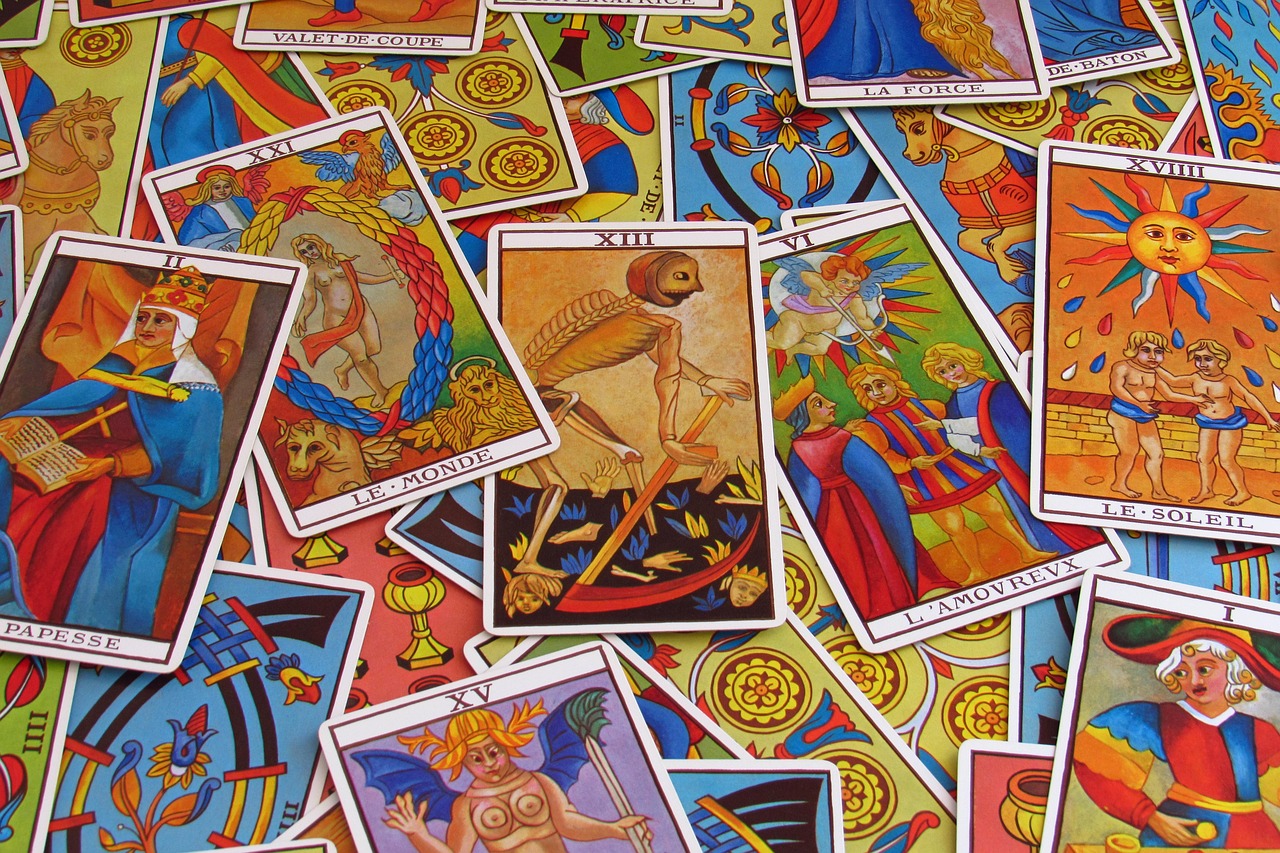
Each card represents a different energy, lesson, or phase of the human journey. The Fool stepping toward the cliff represents new beginnings and the courage required to trust the unknown. The Hermit holding his lantern shows us the power of inner contemplation. The Tower, often feared, actually symbolizes necessary destruction that clears space for authentic rebuilding. These aren’t random images—they’re spiritual wisdom encoded into visual form across centuries.
When you pull a card, you’re not receiving orders from some external force. Instead, you’re encountering a symbolic prompt that invites self-reflection. The real magic happens in the space between the card and your own intuitive response to it. This is where genuine spiritual insight emerges.
The Archetypal Language of Transformation
Tarot speaks in the language of archetypes—universal patterns that appear across cultures, myths, and spiritual traditions. Carl Jung himself recognized tarot’s profound connection to the collective unconscious, the shared reservoir of human experience that exists beneath individual consciousness.
The Major Arcana, a sequence of twenty-two cards, tells the story of the Fool’s Journey—a metaphorical path of spiritual development and awakening. Beginning with innocence and ending with completion, this journey mirrors every authentic spiritual awakening. You might find yourself at different points on this path at different times in your life, and tarot helps you recognize which stage you’re navigating.
The Minor Arcana, divided into four suits mirroring the four elements, explores the practical dimensions of daily life: relationships, work, emotions, and material concerns. These cards remind us that spirituality isn’t separate from ordinary life—it’s woven through every interaction, decision, and challenge we face.
Reading Tarot as a Spiritual Practice
Using tarot as a spiritual practice is fundamentally different from seeking predictions. A spiritual reading becomes a meditation, a moment of intentional pause where you ask meaningful questions about your path, your choices, and your growth.
Begin by creating sacred space. Light a candle, hold your crystals, or simply take three conscious breaths. Set an intention that feels true for you—perhaps asking “What do I need to understand about this situation?” or “What strength am I being called to develop?” rather than “What will happen to me?”
As you shuffle, you’re literally mixing the energies of all possibilities. When you draw cards, resist the urge to immediately consult a guidebook. Instead, sit with the image. What does it evoke in you? What colors catch your eye? What emotions arise? Your intuitive response is the real message—the guidebook is simply a reference point for your own inner knowing.
A single card can provide profound clarity. Three cards might show you the foundation of a situation, the challenge presenting itself, and the wisdom you’re meant to develop. Larger spreads can illuminate complex circumstances from multiple angles. The structure matters less than your genuine engagement with the process.
Tarot as a Tool for Empowerment
One of tarot’s greatest spiritual gifts is that it positions you as an active participant in your life, not a passive recipient of fate. When the Eight of Pentacles appears—showing a figure devoted to mastery and skill-building—it’s not telling you that you will become skilled. It’s inviting you to recognize that you have the power to develop mastery through dedication and practice.
When challenging cards appear—the Five of Cups showing grief, or the Three of Swords depicting heartbreak—they’re not predictions of suffering. They’re acknowledgments that difficulty is part of the human experience, and they often carry wisdom about how to move through that difficulty with grace and growth.
This is tarot’s revolutionary spiritual message: you are not a victim of circumstance, but a conscious being capable of responding wisely to life’s unfolding. The cards show you possibilities, patterns, and potentials, but your choices determine which possibilities manifest.
Developing Your Intuitive Relationship with the Cards
The most powerful tarot practice develops over time through regular engagement. Rather than pulling cards sporadically, consider a daily practice. A single card drawn each morning can set the energetic tone for your day and invite you to embody its wisdom.
As you work with the same deck repeatedly, you begin to develop a personal relationship with the cards. The meanings in the guidebook become a foundation, but your own associations grow richer. Perhaps the Queen of Wands reminds you of a moment when you felt fully alive and creative. The Ace of Cups might connect to an experience of unexpected love or spiritual opening. These personal connections deepen the cards’ relevance to your unique journey.
Many spiritual seekers find that tarot works synergistically with other practices. Using tarot alongside meditation helps you access deeper intuitive layers. Combining tarot with journaling allows you to process and integrate the insights that emerge. Pairing card readings with crystal work can amplify the energetic qualities you’re exploring.
The Ethical Heart of Tarot Practice
As tarot has gained popularity, it’s important to remember the ethical foundation of authentic spiritual practice. Reading tarot for others requires genuine respect for their autonomy and free will. A responsible reader never uses tarot to manipulate, control, or create fear. Instead, a truly spiritual reading empowers someone to recognize their own agency and wisdom.
Similarly, when reading for yourself, approach tarot with honesty and self-compassion. The cards sometimes show us truths we’re not ready to hear, but they show them with the intention of supporting our growth, not punishing us. If a reading feels harsh or overwhelming, pause and reconnect with your intention. Tarot’s purpose is to illuminate your path with wisdom and compassion.
A Daily Practice: The Morning Card Ritual
To integrate tarot into your spiritual practice, try this simple daily ritual. Each morning, after settling yourself with a few conscious breaths, shuffle your deck while holding the intention: “Show me the wisdom I need today.”
Draw a single card and spend a moment with its image. Notice what stands out. How does this card’s energy relate to your day ahead? What quality or lesson might it be inviting you to embody? Tuck this understanding into your heart as you move through your day, noticing how the card’s theme appears in unexpected ways.
By evening, reflect: How did this card’s wisdom show up in your life today? What did you learn? This practice transforms tarot from a fortune-telling tool into a daily companion for conscious, intentional living—a spiritual practice that helps you recognize your own power to shape your journey with wisdom, courage, and grace.
Enjoyed this article?
Support the work that makes it possible.
Amount applies to both PayPal and Stripe.