
 Aria Luminary
The greatest plot twist of your life is realizing the things that broke you were actually the activations that set you free. This truth lives in the quiet moments when pain transforms from enemy to teacher. Many people discover this paradox only after walking through their darkest valleys.
Personal transformation through pain represents one of life’s most profound mysteries. What appears as destruction often serves as construction in disguise. The process rarely makes sense while you’re inside it.
This article explores the lived experiences of real people who discovered their breaking points became breakthrough moments. These individuals found that suffering, when properly understood, carries the seeds of liberation. Their stories illuminate a path many others will recognize.
Viktor Frankl: Finding Meaning in the Concentration Camps

The Loss That Created a Legacy
Viktor Frankl endured unimaginable trauma during World War II. He lost his wife, parents, and brother in Nazi concentration camps. The camps stripped away everything he valued in life.
Yet within this absolute destruction, Frankl discovered something remarkable. He observed that prisoners who maintained a sense of purpose survived longer. Those who found meaning in their suffering demonstrated greater resilience.
This observation became the foundation for logotherapy. His approach to mental health emphasized meaning as the primary human drive. Pain became the catalyst for his life’s most important work.
The Transformation Process
Frankl’s personal transformation through pain didn’t happen overnight. He spent years processing his experiences after liberation. The healing journey required him to find purpose in the senseless suffering he witnessed.
He wrote “Man’s Search for Meaning” to share these insights. The book has sold millions of copies worldwide. His message continues helping people find strength through their darkest times.
The ability to choose your response to circumstances became central to his philosophy. Even in extreme suffering, he maintained this freedom. This realization set him free from victimhood.
“Everything can be taken from a man but one thing: the last of the human freedoms—to choose one’s attitude in any given set of circumstances.”
— Viktor Frankl
Lessons for Personal Growth
Frankl demonstrated that meaning exists even in suffering. Many people struggle to understand this concept initially. The idea challenges our natural desire to avoid pain.
His experience shows that trauma can activate previously dormant strengths. The process requires time and conscious effort. Transformation doesn’t minimize the reality of suffering.
People who embrace this truth often develop deeper appreciation for life. They gain perspective that changes their relationship with difficulty. The shift in understanding becomes a form of liberation.
Malala Yousafzai: The Bullet That Amplified Her Voice

Before the Attack
Malala grew up in Pakistan’s Swat Valley advocating for girls’ education. She wrote blogs and gave interviews about educational rights. Her activism made her a target for extremists.
At age fifteen, she survived an assassination attempt. A gunman shot her in the head on her school bus. The attack nearly ended her life.
Many people would have retreated after such trauma. The fear alone would silence most voices. Yet this moment of extreme violence became her activation point.
Rising from Near Death
Malala’s recovery took months of intensive medical care. She endured multiple surgeries and rehabilitation. The physical healing represented only the first layer of her transformation.
During this time, her story spread globally. People everywhere learned about the importance of education. Her suffering gave weight to a message that might otherwise have gone unheard.
The attack that aimed to silence her actually amplified her voice. She became the youngest Nobel Peace Prize laureate at seventeen. Her personal transformation through pain inspired millions worldwide.
The Purpose Found in Trauma
Malala channels her experience into meaningful action. She established the Malala Fund to support girls’ education globally. Her foundation operates in countries where educational access remains limited.
She speaks regularly about the power of education to transform lives. Her message carries authority because she nearly died for this cause. The trauma gave her credibility that words alone could never provide.
This represents a clear example of pain serving as activation. What broke her body ultimately set her purpose free. The suffering became inseparable from her mission.
The Science Behind Personal Transformation Through Pain
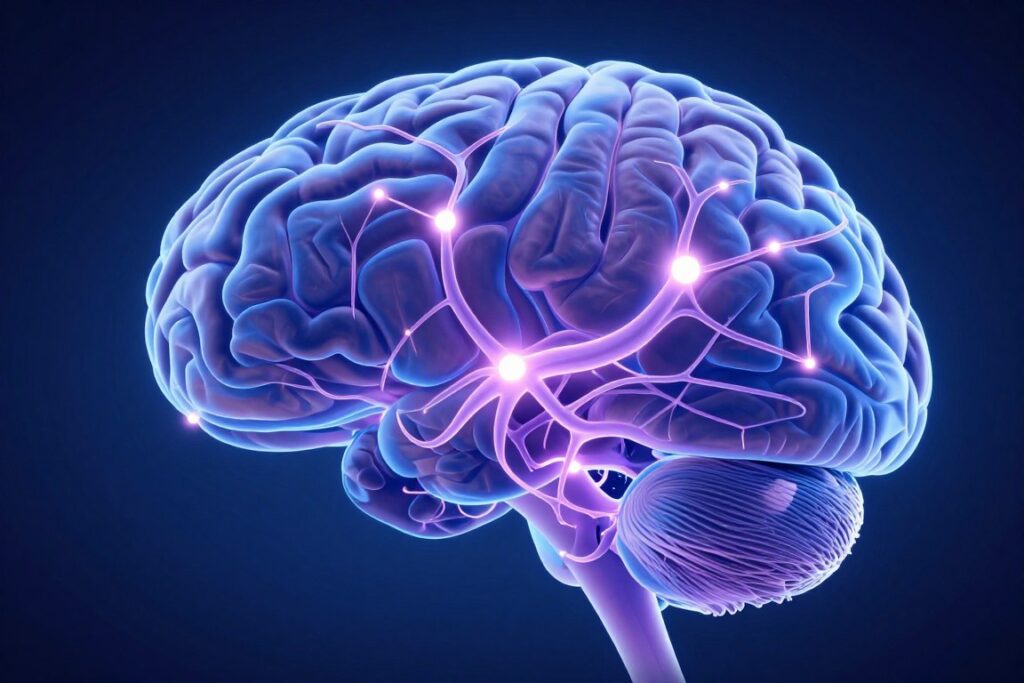
What Research Reveals
Psychologists have studied trauma extensively in recent years. They identified a phenomenon called post-traumatic growth. This occurs when people develop positive psychological changes following traumatic events.
Research shows that many people experience significant growth after trauma. Studies indicate that between 30-70% of trauma survivors report positive changes. These changes occur across multiple life domains.
The growth doesn’t replace or minimize the trauma. Both realities coexist simultaneously. Understanding this helps people make sense of their experiences.
Five Areas of Growth
Researchers identified five key areas where growth typically occurs. The first involves appreciation for life. People often report heightened gratitude after surviving difficult experiences.
The second area concerns relationships with others. Many individuals develop deeper connections following trauma. They prioritize meaningful relationships over superficial ones.
Personal Strength
Survivors often discover inner resources they didn’t know existed. The ability to endure hardship builds confidence in facing future challenges.
- Increased self-reliance emerges
- Greater emotional resilience develops
- Enhanced problem-solving abilities surface
- Deeper self-knowledge grows
New Possibilities
Trauma can open previously unconsidered paths. People sometimes discover new interests or career directions through their healing process.
- Career shifts toward meaningful work
- Creative pursuits gain importance
- Educational goals take new shape
- Life purpose becomes clearer
Spiritual Development
Many people experience shifts in their spiritual or philosophical understanding. Questions about meaning and purpose take on new significance.
- Deeper existential understanding emerges
- Faith often strengthens or transforms
- Connection to something larger develops
- Life philosophy becomes more defined
Enhanced Relationships
Trauma survivors frequently report more authentic connections. The experience of vulnerability can deepen bonds with family and friends.
- Greater emotional intimacy develops
- Increased compassion for others emerges
- Superficial relationships fall away
- Community connections strengthen
The Role of Meaning-Making
Creating meaning from painful experiences supports transformation. This process involves finding coherence in what happened. People who successfully integrate trauma into their life narrative fare better.
The meaning doesn’t have to be profound or universal. It simply needs to make sense within the person’s own framework. This understanding helps them move forward.
Many people find that helping others becomes part of their healing. Sharing experiences and supporting fellow survivors creates purpose from pain. This represents one way transformation manifests in real life.
Elizabeth Smart: From Captivity to Champion
Nine Months of Horror
Elizabeth Smart was kidnapped from her bedroom at age fourteen. She endured nine months of captivity, abuse, and trauma. The ordeal left deep psychological scars.
Her family never stopped searching despite mounting odds. Law enforcement worked tirelessly on the case. The nation followed her story with growing concern.
When she was finally recovered, many assumed her life was permanently destroyed. The trauma seemed too severe to overcome. Yet her journey was just beginning.
Choosing to Speak
Smart chose to share her story publicly after recovery. This decision went against advice from some who worried about retraumatization. She felt strongly that speaking could help others.
Her advocacy work focuses on child safety and victim rights. She speaks at schools and conferences about prevention. Her message carries weight because she lived through the nightmare.
The transformation didn’t erase her suffering. She still deals with the impact of her trauma. Yet she found a way to channel pain into purpose.
Building a Meaningful Life
Smart married and started a family of her own. She completed her education despite years of missed schooling. Her life demonstrates that trauma doesn’t have to define your future.
She established foundations to support victims of crime. Her work helps countless families navigate similar experiences. The pain she endured now serves others.
This represents personal transformation through pain in action. What broke her as a teenager became the foundation for her life’s work. The suffering gained meaning through service.
The Everyday Person: Phoenix Jones and Addiction Recovery

Rock Bottom at Twenty-Eight
Not all transformation stories involve famous people or extraordinary circumstances. Phoenix Jones represents millions who found freedom through recovery from addiction. His story matters because it reflects common struggles.
He started using substances in college to manage social anxiety. What began as occasional use gradually consumed his entire life. By twenty-eight, he lost his job, relationships, and sense of self.
The turning point came during an overdose that nearly killed him. He woke up in a hospital bed with nowhere left to fall. This moment of absolute destruction became his activation.
The Recovery Process
Jones entered a treatment program that same week. The early days of sobriety brought intense physical and emotional pain. Everything he used substances to avoid came flooding back.
He attended support group meetings daily during the first year. The connections he made there became his new foundation. These relationships showed him he wasn’t alone in his struggle.
Slowly, he began rebuilding his life piece by piece. He found work at a recovery center helping others. His experience gave him unique insight into the healing process.
Five Years of Freedom
Jones now has five years of continuous sobriety. He works as a certified addiction counselor. The pain that nearly destroyed him became his greatest qualification.
He speaks openly about his journey to reduce stigma around addiction. His willingness to be vulnerable helps others seek help. The shame that once kept him trapped now fuels his mission.
His story demonstrates that personal transformation through pain isn’t reserved for extraordinary people. Everyday individuals experience these breakthroughs regularly. The process remains available to anyone willing to walk through it.
Frida Kahlo: Transforming Physical Pain Into Artistic Legacy

A Life Defined by Physical Suffering
Frida Kahlo contracted polio at age six, leaving one leg shorter than the other. At eighteen, a bus accident nearly killed her. Metal rods impaled her body, causing lifelong pain.
She endured more than thirty surgeries throughout her life. Chronic pain became her constant companion. Medical limitations confined her for extended periods.
During these bedridden periods, she began painting seriously. Her mother installed a mirror above her bed. This allowed Frida to paint self-portraits that explored her inner world.
Pain as Creative Fuel
Kahlo’s artwork directly addressed her physical and emotional suffering. She painted her miscarriages, surgeries, and psychological anguish. Her honesty shocked the art world of her time.
The paintings transformed her personal pain into universal statements. People who never experienced her specific traumas connected deeply with her work. The art transcended her individual suffering.
She created approximately 200 paintings during her lifetime. About 55 were self-portraits examining her identity and pain. These works now sell for millions of dollars.
Legacy Beyond Suffering
Kahlo became one of Mexico’s most celebrated artists. Her influence extends far beyond the art world today. She represents resilience and authentic self-expression for many people.
Her life demonstrates how pain can fuel creativity and purpose. The suffering that could have destroyed her instead became her medium. The transformation happened through her willingness to explore pain rather than deny it.
Many artists cite her as inspiration for working through difficulty. Her example shows that limitation can paradoxically expand possibility. The constraints forced her to develop a unique artistic voice.
Common Patterns in Personal Transformation Through Pain

The Breaking Point
Nearly every transformation story includes a moment of absolute crisis. This represents the point where old coping mechanisms fail completely. The person can no longer maintain their previous way of being.
This breaking point often feels like the end of everything. In truth, it represents the beginning of something new. The old self must die before transformation can occur.
Many people describe this moment as simultaneously terrifying and liberating. The fear comes from loss of familiar identity. The liberation emerges from no longer maintaining an unsustainable situation.
The Wilderness Period
After the breaking comes a period of disorientation. Nothing makes sense during this phase. The person exists between who they were and who they’re becoming.
This wilderness time serves important purposes. It allows space for grief over what was lost. It creates room for new understanding to emerge.
Important Note: The wilderness period cannot be rushed. Attempting to skip this phase often leads to incomplete transformation. The discomfort serves a necessary function in the healing process.
People often feel lost during this time. They question whether they’ll ever feel normal again. This doubt represents a natural part of the process.
The Emergence of Meaning
Gradually, people begin finding meaning in their experiences. This doesn’t happen through intellectual understanding alone. The meaning emerges through lived experience of moving forward.
Some people find meaning through helping others with similar struggles. Others discover meaning through creative expression or spiritual development. The specific form varies, but the need for meaning remains constant.
This meaning-making represents the actual transformation. The pain shifts from senseless suffering to catalyst for growth. The person’s relationship with their experience fundamentally changes.
Integration and Wholeness
The final stage involves integrating the experience into a coherent life narrative. The trauma becomes one chapter rather than the entire story. The person develops a more complex understanding of themselves.
This integration doesn’t mean forgetting or minimizing what happened. The pain remains real and acknowledged. Yet it no longer controls the person’s entire identity.
People at this stage often report feeling more whole than before the trauma. The breaking and healing created depth that wouldn’t exist otherwise. The cracks became places where light enters.
Bryan Stevenson: Witnessing Injustice as Activation

Confronting Systemic Pain
Bryan Stevenson experienced personal transformation through pain by witnessing injustice rather than directly suffering it. As a lawyer, he represented death row inmates, many wrongfully convicted. The suffering he witnessed transformed his life purpose.
He founded the Equal Justice Initiative to challenge racial and economic injustice. His work freed more than 135 wrongfully convicted prisoners. Each case represented a life destroyed by systemic failure.
The emotional toll of this work could have broken him. Instead, it activated a deeper commitment to justice. The pain he witnessed became fuel for sustained action.
Bearing Witness as Transformation
Stevenson’s transformation came through choosing to stay present with suffering. Many people turn away from others’ pain to protect themselves. He leaned into the discomfort.
This choice required immense strength and created profound change. His ability to witness suffering without becoming numb represents a form of growth. The process transformed his understanding of justice and humanity.
He wrote “Just Mercy” to share these experiences with a broader audience. The book became a bestseller and was adapted into a film. His message reached millions because he refused to look away from pain.
The Ripple Effect
Stevenson’s work inspired countless others to pursue justice work. Law students cite him as the reason they entered criminal justice reform. His transformation activated transformation in others.
This demonstrates how one person’s response to pain can create widespread change. The activation spreads beyond the individual. Communities benefit from one person’s willingness to transform suffering into action.
His story shows that personal transformation through pain can occur through empathy. You don’t have to directly experience trauma to be transformed by it. Witnessing and responding to others’ suffering can serve as activation.
Why Some People Transform While Others Stay Stuck

The Role of Support Systems
Research consistently shows that support systems significantly impact transformation outcomes. People with strong social connections fare better after trauma. Isolation intensifies suffering and blocks growth.
Support doesn’t require large networks. Even one authentic relationship can make a difference. The quality of connection matters more than quantity.
Many transformation stories feature a key person who believed in the survivor. This person held hope when the survivor couldn’t. Their presence provided a lifeline during the darkest times.
Narrative Flexibility
People who can revise their life story tend to transform more successfully. They possess ability to incorporate new experiences into evolving narratives. Rigid narratives keep people stuck in outdated patterns.
This flexibility doesn’t mean denying reality or minimizing suffering. It means remaining open to new interpretations of experience. The same event can hold different meanings at different times.
Therapy often helps people develop this narrative flexibility. A skilled therapist helps clients explore alternative perspectives. This process opens space for transformation to occur.
Tolerance for Uncertainty
Transformation requires comfort with not knowing. The process involves stepping into ambiguity without guaranteed outcomes. People who need certainty struggle with this aspect.
The wilderness period particularly challenges those who need clear answers. No map exists for this territory. Each person must find their own way through.
Research Finding: Studies show that individuals with higher tolerance for ambiguity demonstrate greater post-traumatic growth. The ability to sit with uncertainty appears crucial for transformation.
Developing this tolerance takes practice and patience. Meditation and mindfulness practices often help. These tools teach people to remain present with discomfort.
Access to Resources
Practical resources significantly impact transformation capacity. Access to mental health care, financial stability, and physical safety matter enormously. Poverty and systemic barriers make transformation harder.
This reality doesn’t mean transformation is impossible without resources. Many people transform despite significant obstacles. However, acknowledging the role of privilege and access remains important.
Communities can support transformation by providing resources. Accessible mental health services, support groups, and educational opportunities help. Creating conditions where healing is possible benefits everyone.
How Your Brain Changes Through Personal Transformation
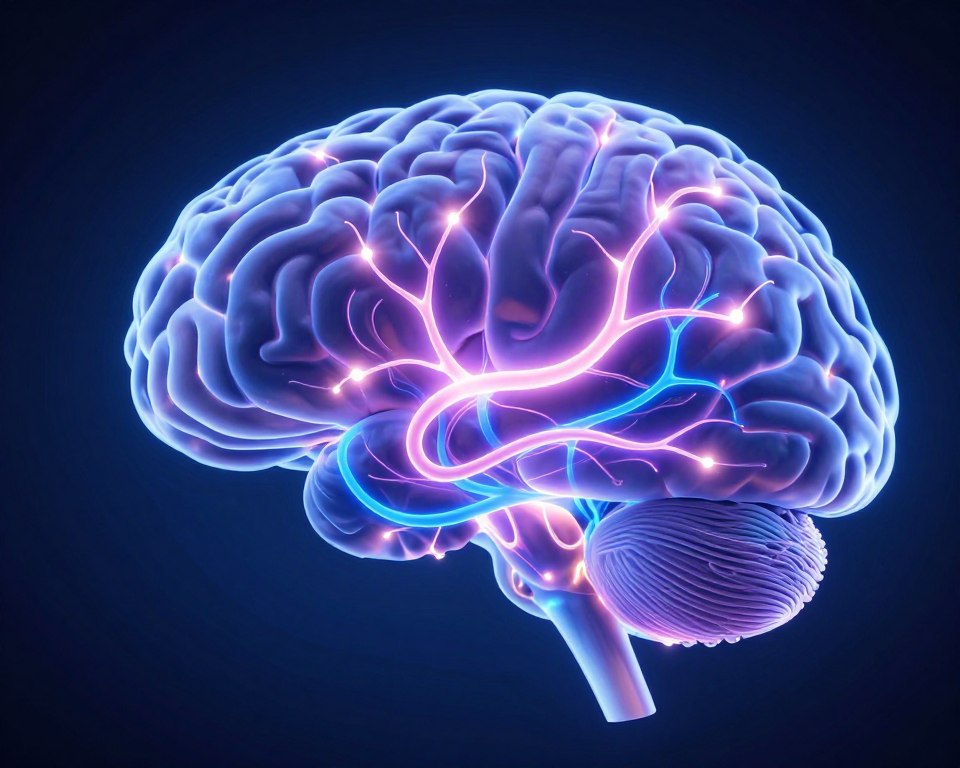
Neuroplasticity in Action
Your brain possesses remarkable ability to reorganize itself throughout life. This phenomenon, called neuroplasticity, underlies many transformation processes. Trauma can trigger both negative and positive neuroplastic changes.
Initially, trauma often creates hypervigilant neural patterns. The brain becomes oversensitive to threat. These changes make sense as survival mechanisms but can become problematic over time.
However, the same neuroplasticity that creates trauma responses can support healing. New neural pathways form as you work through difficult experiences. The brain literally rewires itself during transformation.
The Role of Stress Hormones
Chronic stress floods your body with cortisol and other stress hormones. These chemicals affect brain structure and function over time. The hippocampus, crucial for memory, can shrink under sustained stress.
The good news is that healing practices can reverse some of these changes. Meditation, exercise, and therapy all promote healthier brain chemistry. The damage isn’t always permanent.
Understanding this helps people see transformation as biological process, not just psychological. Your body participates in healing at the cellular level. The changes run deeper than conscious awareness.
Building New Neural Pathways
Every time you respond differently to a trigger, you strengthen new neural pathways. Initially, old patterns feel automatic and effortless. New responses require conscious effort and repetition.
Over time, the new pathways become stronger through consistent practice. The old patterns weaken from disuse. This process takes months or years, not days or weeks.
This explains why transformation feels difficult and requires patience. You’re literally rebuilding your brain’s wiring. The effort reflects real biological work happening in your nervous system.
Practical Wisdom for Your Own Transformation Journey

Honor Your Timeline
Transformation can’t be rushed or forced. Your healing timeline belongs to you alone. Comparisons with others’ journeys serve no useful purpose.
Some days you’ll feel progress. Other days you’ll feel stuck. Both represent normal parts of the process. The path rarely moves in straight lines.
Give yourself permission to move at your own pace. Pushing too hard often backfires. Trust that your system knows what it needs.
Seek Support Without Shame
Asking for help represents strength, not weakness. No one transforms alone. The myth of the solitary hero causes unnecessary suffering.
Professional support from therapists or counselors can be invaluable. They offer tools and perspective you might not discover alone. Their training helps navigate difficult terrain.
Peer support groups provide connection with others who understand. Sharing experiences reduces isolation. You realize you’re not alone in your struggle.
Practice Self-Compassion
You’ll make mistakes during your healing journey. You’ll have setbacks and difficult days. Treating yourself with kindness during these times matters enormously.
Self-compassion doesn’t mean avoiding responsibility. It means extending the same understanding to yourself that you’d offer a friend. Harsh self-judgment slows transformation.
Ways to Practice Self-Compassion
- Speak to yourself as you would a loved one
- Acknowledge that suffering is part of human experience
- Notice self-critical thoughts without judgment
- Allow yourself to feel emotions fully
- Celebrate small victories along the way
- Rest when you need to without guilt
Research shows that self-compassion correlates strongly with resilience and mental health. People who treat themselves kindly bounce back from setbacks faster. They also report greater overall life satisfaction.
This doesn’t mean ignoring problems or avoiding growth. It means approaching your struggles with gentleness rather than harshness. The stance you take toward yourself shapes your entire experience.
Find Your Meaning
Only you can determine what meaning your experiences hold. No one else can tell you what your pain should mean. This represents deeply personal work.
The meaning might change over time as you gain distance and perspective. What makes sense today might shift tomorrow. Allow your understanding to evolve.
Some people never find grand meaning in their suffering. They simply learn to carry it differently. That represents transformation too. Not every story needs a tidy moral.
The Ongoing Nature of Transformation
Personal transformation through pain isn’t a destination you reach and leave behind. It represents an ongoing process of becoming. The work continues throughout life as new challenges emerge.
The people featured in this article didn’t transform once and finish. They continue working with their experiences daily. The difference is they developed tools and understanding to navigate difficulty.
Your own transformation doesn’t require fame or extraordinary circumstances. It happens in quiet moments of choosing growth over stagnation. It lives in small decisions to move forward despite fear.
The greatest plot twist really is realizing that what broke you was setting you free. This truth doesn’t minimize your suffering. It honors the strength you developed through hardship.
Many people have lived this truth across history and in present day. Their stories light the path for others walking similar roads. The activation continues spreading from person to person.
Perhaps you recognize yourself in these stories. Maybe you’re currently in your own transformation process. Wherever you are on this journey, know that what you’re experiencing matters.
The things that broke you may indeed become the very forces that set you free. This paradox stands at the heart of human resilience. It represents hope not despite suffering, but somehow mysteriously emerging through it.
Disclaimer
Important Notice: This article explores personal transformation through pain as a concept and shares stories of individuals who experienced growth following difficult experiences. It is not intended to provide medical, psychological, or therapeutic advice.
If you are currently experiencing trauma, mental health crisis, or emotional distress, please seek support from qualified mental health professionals. Transformation is not guaranteed, and professional guidance can be essential for healing.
The experiences shared here represent individual journeys and should not be interpreted as prescriptive or universal. Every person’s healing process is unique. What works for one individual may not work for another.
The content provided is for informational and inspirational purposes only. It does not replace professional medical or psychological treatment. Always consult with qualified healthcare providers regarding your specific situation.
References
- American Psychological Association – Post-Traumatic Growth Research
- National Institutes of Health – Resilience and Psychological Trauma
- Viktor Frankl Institute
- Nobel Prize – Malala Yousafzai Biography
- Equal Justice Initiative
- Malala Fund
- Psychology Today – Post-Traumatic Growth Overview
- Neuroplasticity and Trauma Recovery Research
- Greater Good Science Center – Resilience
- Center for Mindful Self-Compassion
© 2026 AscensionPulse.com. Some Rights Reserved.
This work is licensed under a Creative Commons Attribution-NonCommercial-NoDerivatives 4.0 International License.
You may share this content for non-commercial purposes with proper credit and without alterations.
For permissions beyond this license, contact AscensionPulse.com.
Enjoyed this article?
Support the work that makes it possible.
Amount applies to both PayPal and Stripe.