 Ascension Pulse
In our contemporary world, more people than ever are turning toward pagan spirituality—ancient traditions reimagined for today’s seekers. Whether you’re drawn to nature-based worship, goddess veneration, or earth-centered rituals, pagan paths offer diverse routes to spiritual fulfillment and meaningful connection. These traditions remind us that sacredness exists in the natural world and within ourselves.
Understanding Paganism: More Than a Single Path
Paganism isn’t a monolithic religion but rather an umbrella term encompassing numerous spiritual traditions that share common values. The word “pagan” comes from the Latin “paganus,” originally meaning “rural” or “countryside dweller,” though it later became associated with non-Christian practices. Today, modern paganism represents a conscious revival and reimagining of pre-Christian spiritual systems from cultures worldwide.
What unites diverse pagan paths is a reverence for nature, an understanding of the divine as immanent (present within creation) rather than solely transcendent, and often a celebration of the sacred feminine alongside the masculine. Pagan practitioners typically honor seasonal cycles, work with elemental energies, and recognize interconnectedness among all living beings.
The Major Pagan Paths
Wicca: The Craft of the Wise
Wicca is perhaps the most well-known modern pagan path, formally established in the 1950s but drawing inspiration from older traditions. Wiccans typically work with a God and Goddess, celebrate eight seasonal festivals called Sabbats, and practice ritual magic aligned with lunar cycles. The religion emphasizes the Wiccan Rede—”An it harm none, do what ye will”—as an ethical foundation.
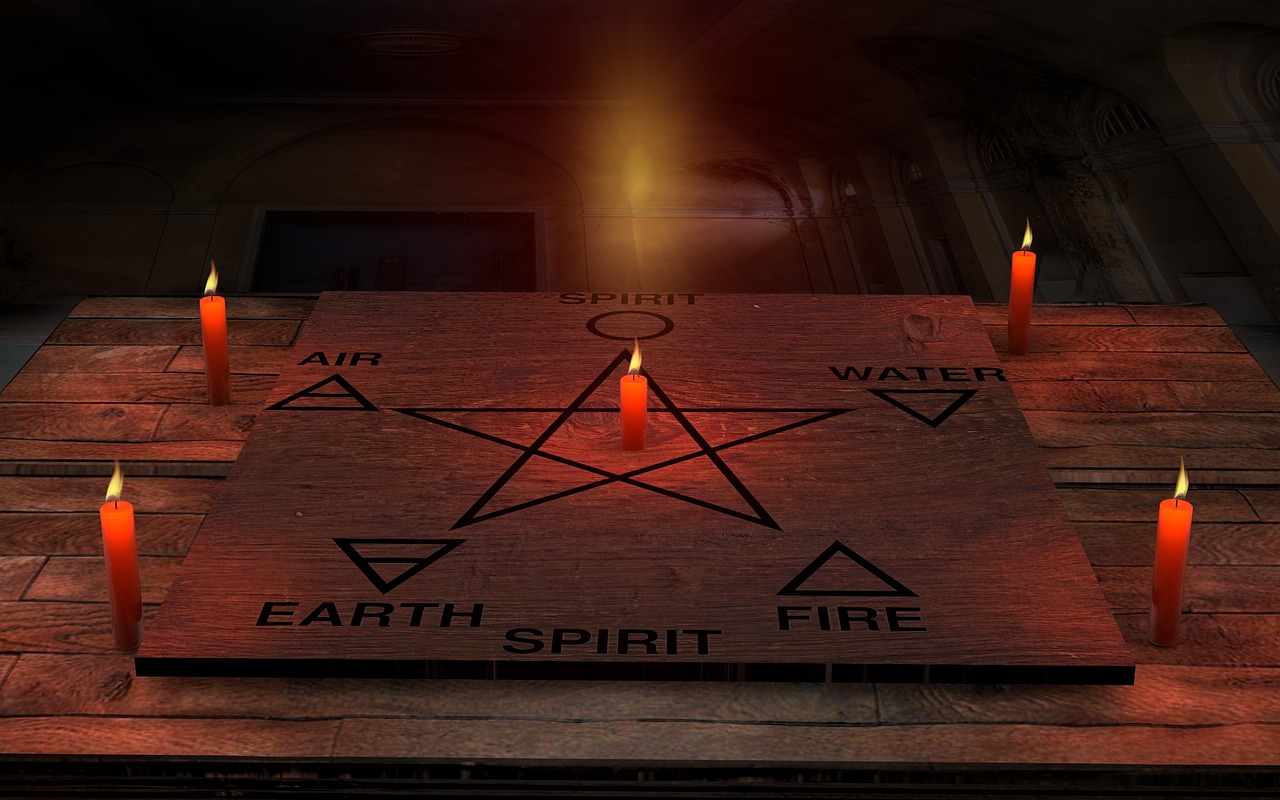
Wiccan practice involves creating sacred space, calling upon elemental quarters, and raising energy through movement, chanting, and focused intention. Many Wiccans work solitary, while others gather in covens. The religion’s flexibility allows practitioners to adapt rituals to their personal beliefs and cultural backgrounds.
Druidry: Honoring the Oak Wisdom
Druidry connects modern practitioners with the ancient Celtic traditions of the Druids. Contemporary Druid paths emphasize wisdom, nature connection, and the harmony between human consciousness and the natural world. Druids often work with tree lore, study Celtic mythology, and celebrate seasonal festivals rooted in ancient Celtic cultures.
Druidic practice may include meditation in nature, studying plant and animal wisdom, creating poetry and music as spiritual expression, and building community through shared rituals. Many Druids view their path as a lifelong journey of learning and deepening relationship with the earth.
Heathenry: Reconstructing Northern Traditions
Heathenry encompasses modern practices based on the pre-Christian religions of Germanic, Norse, and Anglo-Saxon peoples. Practitioners honor the Norse gods and goddesses, study ancient texts like the Eddas, and reconstruct historical religious practices while adapting them for contemporary life.
Heathen traditions emphasize honor, courage, kinship, and right relationship with the divine and community. Blót (sacrificial offerings) and Sumbel (ritual toasting) are common practices, though modern Heathens typically offer symbolic rather than animal sacrifices.
Shamanism: Walking Between Worlds
Shamanic paths, found across cultures worldwide, involve practitioners who serve as intermediaries between the physical and spiritual realms. Modern shamanic practice often includes drumming, trance journeying, energy healing, and plant medicine work (where legal and appropriate).
Shamans may communicate with animal spirits, access ancestral wisdom, and facilitate healing for themselves and their communities. This ancient practice has experienced a remarkable revival among spiritual seekers seeking direct mystical experience.
Goddess Spirituality and Feminist Witchcraft
Many pagans focus specifically on honoring the divine feminine through goddess worship. This path celebrates women’s spirituality, reclaims feminine power, and often incorporates feminist consciousness into spiritual practice. Practitioners may work with specific goddesses from various cultural traditions or honor the universal principle of the Great Goddess.
Feminist witchcraft extends these principles into activist practice, using magic and ritual as tools for social change and personal empowerment.
Core Principles Across Pagan Paths
Despite their differences, most pagan traditions share fundamental principles:
Reverence for Nature: Pagans see the natural world as sacred and worthy of respect and protection. This often translates into environmental activism and sustainable living practices.
Cyclical Time: Rather than viewing time as linear, pagans typically honor cycles—daily, lunar, seasonal, and yearly—recognizing that all things move through phases of birth, growth, decline, and renewal.
Personal Spiritual Experience: Paganism emphasizes direct mystical experience over blind faith. Practitioners are encouraged to explore, question, and develop their own understanding of the divine.
Interconnectedness: A core insight across pagan traditions is that everything is connected. This understanding fosters compassion, ethical living, and recognition of humanity’s place within the larger web of existence.
Sacred Community: Whether working alone or in groups, pagans value community and the sharing of spiritual knowledge and practice.
Beginning Your Pagan Journey
If you’re drawn to explore pagan spirituality, begin by listening to your inner guidance. Which traditions resonate with you? Are you called to goddess work, nature magic, ancestral connection, or something else?
Read widely, but also spend time in nature observing cycles and seasons. Attend pagan festivals or local gatherings if possible. Many communities have circles, covens, or groves that welcome seekers. Online communities can also provide valuable connection and learning.
Consider keeping a spiritual journal to track your experiences, insights, and the unfolding of your practice. There’s no rush—pagan paths are lifelong journeys, and it’s perfectly acceptable to take time exploring before committing to a specific tradition.
Practical Meditation: Connecting with Your Path
Find a quiet place in nature or near a window where you can see trees or sky. Settle into a comfortable position and take several deep breaths.
Visualize roots growing from the base of your spine, extending deep into the earth. Feel yourself grounded and supported. Now imagine a column of light rising from the earth through your body and extending upward into the stars.
Ask yourself: “What spiritual path calls to my soul? What traditions resonate with my deepest values?” Listen without judgment. Images, words, or simply feelings may arise. Trust whatever comes.
Sit with this awareness for as long as feels right, then gently return your attention to your body and surroundings.
Pagan paths offer rich traditions through which to experience the sacred dimension of existence. Whatever path calls to you, know that you’re joining a global community of seekers honoring the earth, celebrating the divine in all its forms, and awakening to the magic inherent in life itself.
Enjoyed this article?
Support the work that makes it possible.
Amount applies to both PayPal and Stripe.