 Ascension Pulse
In a world where spiritual seekers are increasingly turning away from dogmatic traditions, eclectic paganism has emerged as a beautiful, liberating approach to honoring the sacred. Unlike structured religions with fixed doctrines, eclectic paganism invites you to craft a deeply personal spiritual practice that resonates with your authentic self. Whether you’re drawn to nature worship, goddess spirituality, earth-based rituals, or ancient wisdom traditions, eclectic paganism offers the freedom to blend these elements into a unique expression of your faith.
Understanding Eclectic Paganism
Eclectic paganism is a modern spiritual movement that draws from various pagan traditions, religions, and philosophies without adhering strictly to any single system. The word “eclectic” comes from the Greek word “eklektikos,” meaning “selecting from various sources.” This perfectly captures the essence of this approach—you select what speaks to your soul, what aligns with your values, and what enhances your spiritual growth.
Unlike Wicca, Heathenry, or Reconstructionist Paganism, which maintain specific historical practices and cultural authenticity, eclectic paganism prioritizes personal experience and intuitive spirituality. There are no gatekeepers, no mandatory initiations, and no requirement to follow a particular lineage. This accessibility has made eclectic paganism one of the fastest-growing spiritual movements among seekers worldwide.
The Core Principles of Eclectic Practice
At its heart, eclectic paganism rests on several foundational principles. First is reverence for nature. Whether you honor the earth as a living goddess, respect the elemental forces, or simply find the divine in natural cycles, nature is central to this path. Seasons, lunar phases, and the elements inform rituals and spiritual awareness.
Second is personal autonomy. You are both priest and priestess of your own practice. You decide which deities to invoke, which rituals to perform, and which spiritual tools to use. This empowerment is transformative—it places spiritual authority within you rather than in external institutions.
Third is spiritual eclecticism. Drawing from Celtic traditions, Egyptian mythology, Hindu philosophy, indigenous practices, or even contemporary spirituality is not only permitted but encouraged. The key is approaching other cultures with respect, studying their origins, and understanding the context before incorporating them into your practice.
Finally, harm to none often guides ethical decisions. Many eclectic pagans embrace the Wiccan Rede—”An it harm none, do what ye will”—as a moral compass, even if they don’t identify as Wiccan.
Building Your Eclectic Practice
Creating an eclectic pagan path is an exciting, ongoing journey of discovery. Start by exploring what calls to you. Are you drawn to lunar magic? Perhaps you’ll develop a moon-phase-based practice. Do certain deities resonate with your spirit? Research them, build relationships with them, and create personal rituals of devotion.
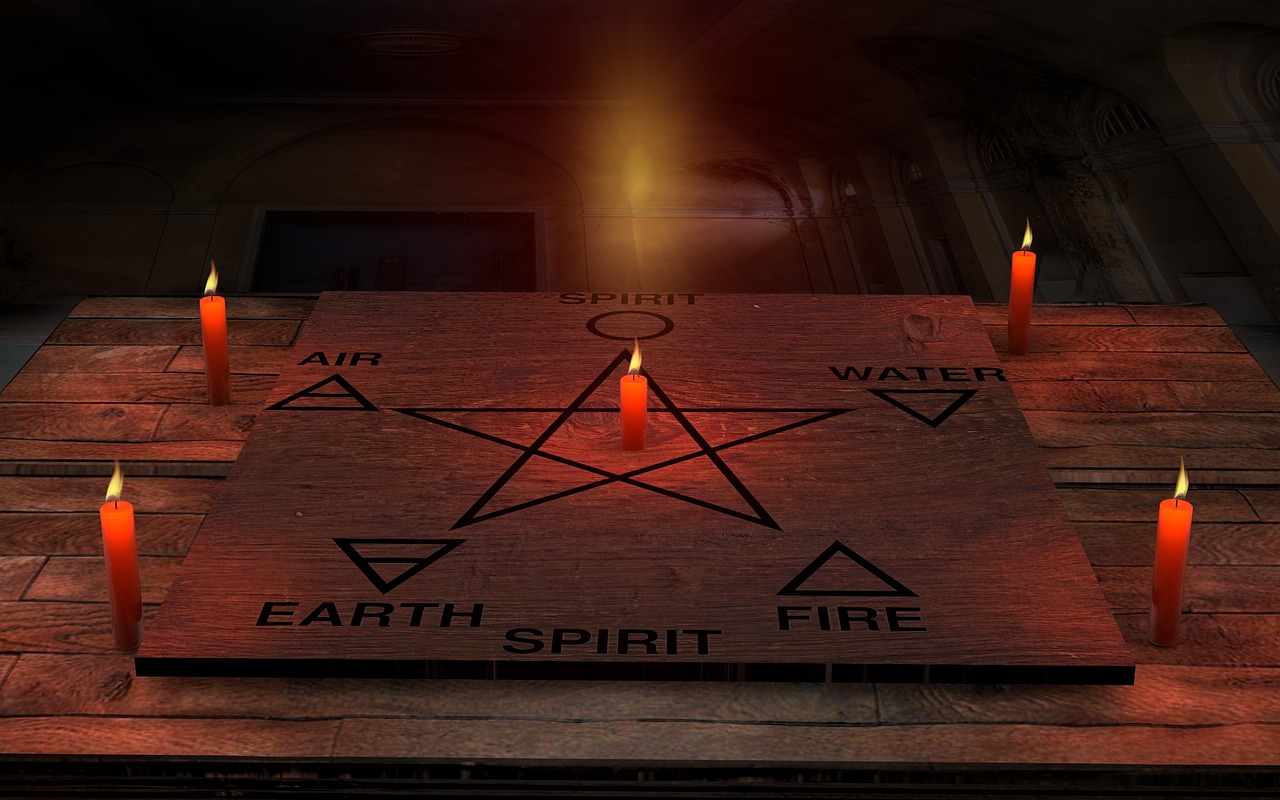
Altar work is a wonderful foundation. Your altar can be as simple or elaborate as you wish—a windowsill with candles and crystals, a dedicated shelf, or a portable box for travel. Include items that represent your intentions: crystals for healing, herbs for protection, images of deities or nature, and tools like wands or athames.
Ritual and ceremony give structure to your spiritual life. You might celebrate the Wheel of the Year—the eight pagan sabbats marking seasonal turning points—or create your own celebrations aligned with personal milestones. Full moon rituals, new moon intentions, and seasonal cleanings all deepen your connection to natural cycles.
Study and research are essential. Read widely—books on mythology, herbalism, energy work, and various pagan traditions. However, balance intellectual learning with intuitive knowing. Your spiritual guides, dreams, and inner wisdom are equally valuable sources of knowledge.
The Beauty of Spiritual Freedom
One of eclectic paganism’s greatest gifts is freedom from spiritual guilt. If a practice no longer serves you, you can release it without betraying doctrine. If you want to honor both Jesus and the Goddess, or blend Buddhist meditation with pagan ritual, you have that autonomy. This flexibility allows your practice to evolve as you do.
This freedom also fosters genuine spiritual growth. When you’re not following prescribed rules, you develop discernment. You learn to distinguish between what truly aligns with your values and what merely sounds appealing. You cultivate trust in your intuition and your ability to navigate the spiritual realm responsibly.
Challenges and Considerations
Eclectic paganism isn’t without challenges. Without structure, some practitioners struggle with consistency or clarity about their beliefs. It’s easy to become scattered, adopting practices without integration or depth. The antidote is intentionality—regularly reflect on your practice, journal about your experiences, and periodically reassess whether your chosen path still serves your growth.
Additionally, cultural appropriation remains a concern. Borrowing from indigenous traditions or closed practices requires humility and research. Honor the source cultures, acknowledge their wisdom, and avoid treating sacred practices as aesthetic accessories.
Community and Connection
While eclectic paganism is deeply personal, community enriches the journey. Seek out local pagan groups, online forums, or spiritual circles where you can share experiences, learn from others, and feel less alone in your path. Many cities have pagan meetups, festivals, or covens open to eclectics. These connections provide support, inspiration, and accountability.
Living Your Eclectic Truth
Eclectic paganism invites you to live authentically, honoring both the sacred earth and your unique soul. It’s a path for those who’ve felt constrained by conventional spirituality and yearn for something more personal, more magical, more aligned with their deepest values.
A Grounding Meditation
To begin or deepen your eclectic practice, try this simple meditation:
Find a quiet space and sit comfortably. Close your eyes and take three deep breaths. Visualize roots growing from your base, anchoring you to the earth. Feel the soil’s ancient wisdom supporting you. Ask yourself: “What does my authentic spiritual path look like? What calls to my soul?” Listen without judgment. Notice images, feelings, or words that arise. Sit with this knowing for several minutes, then gently return to the present moment.
Your eclectic pagan path awaits—one that honors both the cosmos and your sacred, irreplaceable self.
Enjoyed this article?
Support the work that makes it possible.
Amount applies to both PayPal and Stripe.