 Aria Luminary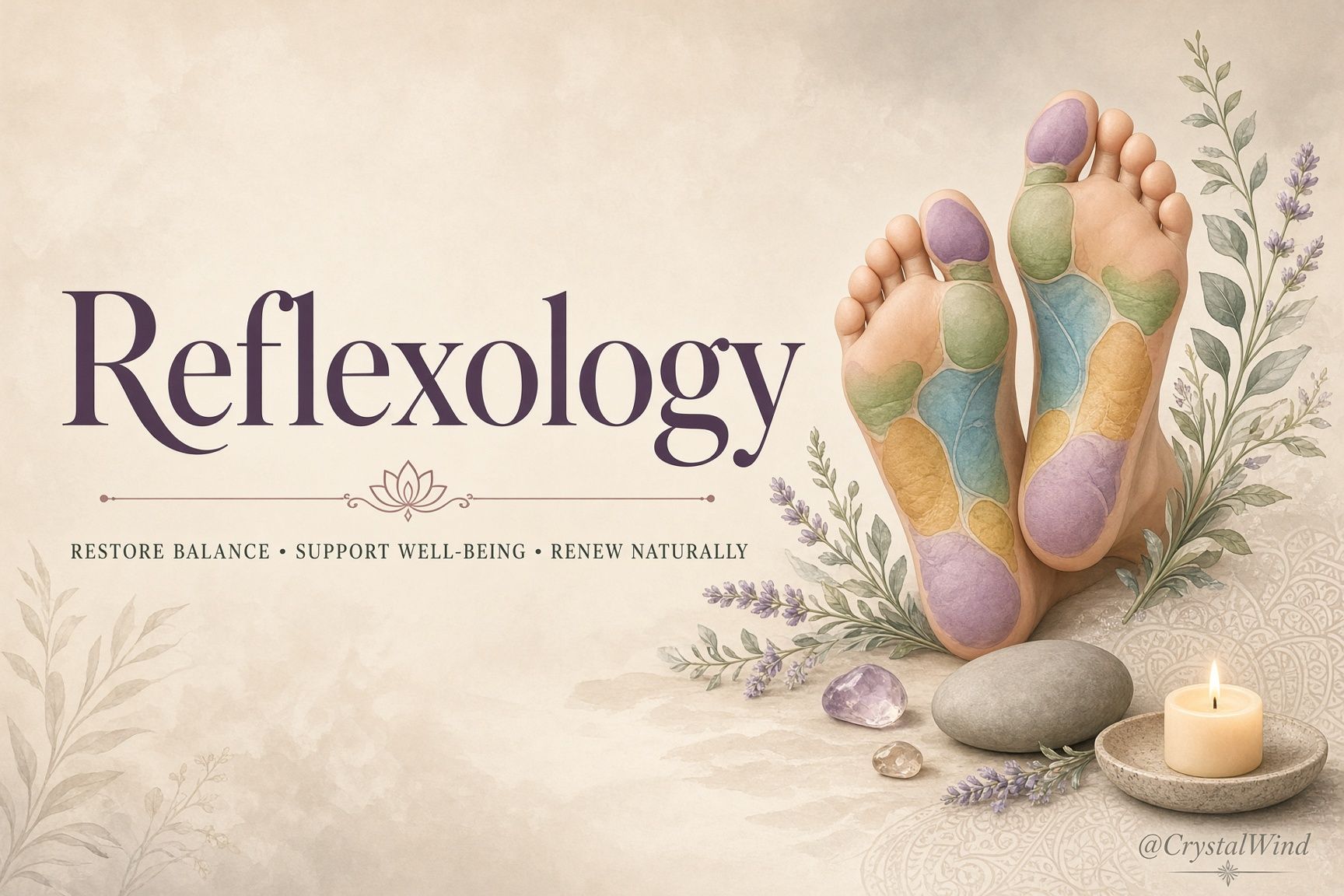
“Sometimes the whole body listens best through the feet.”
Reflexology is one of the most commonly offered treatments at wellness spas and holistic health centers, yet most people who receive it know very little about where it came from or what, precisely, it’s meant to do. Here is a grounded look at the practice, its history, and what to realistically expect from a session.
What Reflexology Is
Reflexology is a touch-based therapy built on the idea that specific points on the feet, hands, and sometimes ears correspond to different organs, glands, and systems throughout the rest of the body. A reflexologist applies targeted pressure to these points using specific thumb and finger techniques, with the stated goal of promoting relaxation and supporting the body’s own balance, rather than diagnosing or treating disease directly.
Sessions typically take place with the client seated or reclined, and the practitioner works systematically across a foot or hand reflexology map, often starting at the toes and moving methodically toward the heel, occasionally pausing longer on points that feel notably tender or tight.
Origins and History
Forms of therapeutic foot and hand pressure appear in historical records from ancient Egypt, where tomb illustrations depict what many researchers interpret as foot and hand treatments, as well as in older Chinese medical traditions. Modern Western reflexology, however, traces most directly to the early twentieth century and the work of American physician William Fitzgerald, who developed a system he called ‘zone therapy,’ dividing the body into ten longitudinal zones mapped onto the fingers and toes.
Fitzgerald’s zone therapy was later expanded and popularized in the 1930s and 40s by physical therapist Eunice Ingham, who mapped the more detailed foot charts that most contemporary reflexologists still reference today, and whose work is largely credited with shaping reflexology into the practice recognized worldwide now.
The Reflex Map: How It’s Organized
Reflexology charts divide the sole and top of the foot into regions said to mirror the layout of the body — the toes corresponding to the head and neck, the ball of the foot to the chest and lungs, the arch to digestive organs, and the heel to the lower back and pelvic area. Hand reflexology follows a broadly similar logic, mapped across the palm and fingers. This mirrored-map model is the theoretical foundation for the practice, though it is important to note it is not grounded in verified anatomical or neurological pathways recognized by conventional medicine.
What a Session Feels Like
Most people describe reflexology sessions as deeply relaxing, with pressure ranging from firm to quite intense on particularly tender points, easing off if the sensation becomes uncomfortable. Sessions commonly run thirty to sixty minutes, and many people notice an immediate sense of calm afterward, similar to the relaxation response reported after a good massage — slower breathing, reduced muscle tension, and sometimes improved sleep that night.
What the Evidence Actually Shows
Clinical research on reflexology is mixed and generally limited by small study sizes. There is more consistent evidence supporting its use for general relaxation, temporary anxiety reduction, and improved subjective wellbeing — outcomes broadly comparable to what’s seen with other calming touch-based therapies like massage. Evidence supporting more specific claims, such as reflexology treating or curing particular organ diseases through corresponding foot points, is considerably weaker and not accepted by mainstream medical science. As with several touch-based therapies, part of the reported benefit likely reflects the broader value of focused, caring human touch and dedicated relaxation time, rather than a verified organ-specific mechanism.
Safety and Who Should Be Cautious
Reflexology is generally considered safe for most healthy adults, but a few groups should check with a doctor first: people in the early stages of pregnancy, those with certain foot injuries, blood clots, uncontrolled diabetes affecting foot sensation, or severe osteoporosis. As with any complementary therapy, reflexology should be treated as a relaxing addition to your care, not a replacement for diagnosis or treatment of an actual medical condition — persistent symptoms deserve a proper medical evaluation regardless of how good a foot massage feels.
Getting the Most from a Session
If you’re curious to try reflexology, look for a practitioner with recognized training and, ideally, referrals or reviews from other clients. Mention any medical conditions before the session begins, communicate clearly about pressure levels throughout, and treat the experience primarily as what it most reliably offers: a deeply restful, attentive form of touch therapy that many people find genuinely valuable as part of a broader wellness routine, whatever one concludes about the underlying zone-mapping theory.
Reflexology and the Nervous System
One theory increasingly discussed among researchers studying touch therapies is that reflexology’s benefits may be linked less to any organ-specific map and more to the nervous system’s broad response to sustained, rhythmic pressure and attentive touch. Firm, repetitive pressure applied to the feet can activate the parasympathetic nervous system — the body’s ‘rest and digest’ mode — which is associated with lowered heart rate, reduced cortisol, and an overall shift away from a stress response. If this mechanism turns out to be the dominant one, it would help explain why so many people report genuine relaxation and stress relief from reflexology sessions even though the more specific claims about individual organ zones remain scientifically unproven.
How Reflexology Compares to Massage
People often ask how reflexology differs from a standard foot massage, and the honest answer is that the line can blur in practice. Both involve therapeutic touch to the feet and can produce similar relaxation benefits. The meaningful difference is intent and technique: reflexology follows a specific, structured point-by-point map guided by zone theory, using targeted thumb-walking techniques on precise points, while general foot massage focuses more broadly on muscle tension and circulation without reference to organ correspondence. For most clients seeking relaxation alone, either approach can be genuinely beneficial.
Whatever combination of mechanisms turns out to explain it best, reflexology has endured for close to a century in its modern form precisely because the felt experience — for many people, in many bodies — is consistently one of relief, calm, and a lovely excuse to put your feet up for an hour.
Disclaimer: The information in this article is presented for educational and informational purposes only. Views expressed are those of the contributing author and do not necessarily reflect the views of CrystalWind.ca, which makes no claims regarding the accuracy of any content herein.
Primary: #reflexology web #foot reflexology web #bodywork web #holistic therapy web #relaxation web
Enjoyed this article?
Support the work that makes it possible.
Amount applies to both PayPal and Stripe.